Capsule OEM Packaging: Blister Packs and Bottles Compared for Moisture, Cost and Shelf Life
Packaging selection for capsules is often treated as the last step, yet it decides shelf life and transport damage rates. In capsule OEM work, blisters and bottles are the two main routes, and they differ sharply in moisture protection, cost structure, line efficiency and channel fit. This guide sets out the basis for choosing, from both the plant and the brand side.
1. Blister packs: protection one capsule at a time
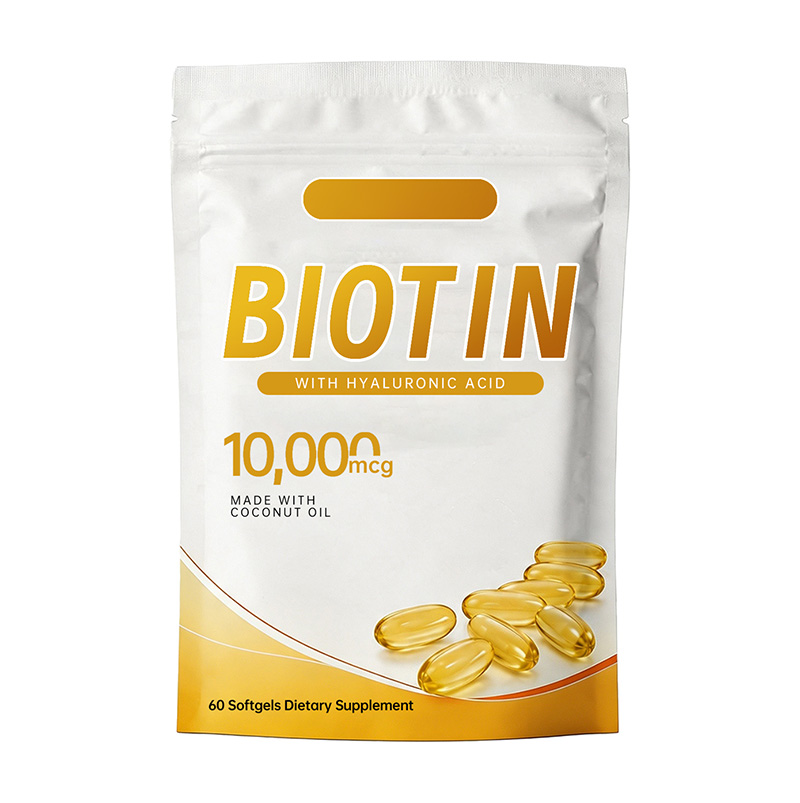
A blister seals each capsule in a formed cavity with foil lidding. The advantages are per-unit isolation - opening one does not expose the rest - the best moisture and light barrier available, and easy single-dose or travel formats. The drawbacks are higher packaging cost per unit, slower lines than bottling, and greater bulk, which raises warehousing and freight. Formulas with volatile oils, hygroscopic actives or oxidation-sensitive fills - softgels with unsaturated fatty acids, for example - favour blisters, and aluminium-aluminium blisters outperform PVC-PVDC for humid export markets.
2. Bottles: the economics and efficiency answer
Bottles - HDPE, PET or glass - cost less per unit, fill faster and carry more capsules per unit volume. With a desiccant and induction seal, they satisfy the moisture needs of most standard formulas. The downside is that every opening exposes the whole bottle to humidity, which shows clearly in monsoon climates, and capsules rubbing together raise the blocking risk for softgels more than blisters do. Bottles suit large counts above 60, daily home use and e-commerce-led channels.

3. Moisture control: three lines of defence
Whichever route you take, moisture is the core issue. For bottles the three defences are the bottle material, since HDPE transmits less water vapour than PET; the induction seal, an aluminium foil membrane across the mouth; and the desiccant - silica gel or molecular sieve sized to the headspace and the formula's hygroscopicity. For blisters the critical points are cavity forming uniformity and sealing temperature, because under-sealing leaves micro-channels no eye can see that still fail in storage. Plants should run seal integrity sampling, by vacuum decay or dye ingress, rather than judging by appearance alone. Desiccant sizing deserves the same discipline: silica gel takes up roughly a fifth of its weight at moderate humidity and far less above 60 percent, so an undersized sachet fails invisibly, months after the batch passed inspection.
4. Matching pack to climate and shelf life
Pack choice has to be bound to the climate of the target market. Products exported to South-East Asia or the Middle East face heat and humidity far beyond domestic conditions, and cross-border e-commerce adds long transit with wide swings, so barrier margin has to be generous. Softgels in those markets almost always need blisters or a bottle plus desiccant double defence. Conversely, for domestic ambient channels with fast stock rotation, the economics of bottles win. List three variables before deciding - destination climate, channel turn rate and count size - and the answer usually appears on its own.
5. Transport and warehousing details
Once the pack is fixed, transport still moves the yield. Carton stacking height, pallet wrapping and peak temperatures on long hauls can deform bottles or crush blisters. Softgels in summer need temperature control or shorter transit above all. Plants should track one arrival inspection after the first shipment and feed breakage data back into pack design - a step many brands skip, so the same damage repeats on every batch. Writing a maximum stack height and pallet pattern into the packing specification costs nothing and removes most of that risk.
6. Comparing cost: not just the pack price
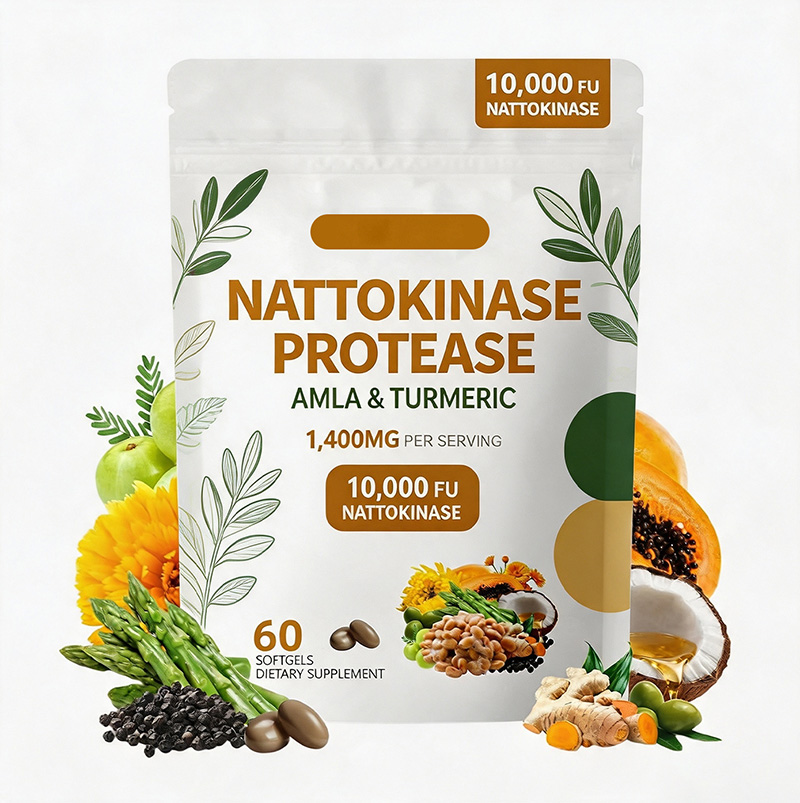
Comparing blisters and bottles on pack price alone misleads. The right measure is total cost per capsule: packaging plus filling labour plus reject loss plus storage volume plus freight volume. Blisters cost more to pack but reject less; bottles are cheaper to pack but cost more in volume and breakage. Retail price per capsule also sets how much barrier the margin can carry, which is why premium softgels almost always end up in blisters. The larger the count, the better bottles look; the smaller and higher-value the unit, the more acceptable a blister premium is. Work that calculation and the choice stops being a guess.
Related Products
Vitamin D3 K2 with Magnesium & Zinc Softgels | VITAMIN D3+K2 MAGNESIUM+ZINC Softgels OEM | Calcium + Magnesium + Zinc + Vitamin D3 Softgels | CALCIUM+MAGNESIUM+ZINC D3 Softgel OEM
About Guangzhou Mesen Health Biotechnology Co., Ltd
Guangzhou Mesen Health Biotechnology Co., Ltd is located in the Huashan Science and Technology Park, Huadu District, Guangzhou. The company has focused on OEM and ODM services for the big health industry for nearly 20 years, operating dedicated research, production, sales and management centres, and maintaining long-term strategic partnerships with well-known Chinese medicine colleges and research institutions. Capabilities span pressed candy, gummies, capsules, solid beverages, herbal teas, plant beverages, protein powders, dietary supplements and enzyme jelly - from formulation development through contract manufacturing. For details on minimum order quantities, sampling lead times and quotations, see our manufacturing advantages and product range, or contact us for a tailored proposal.
Further Reading