Packaging Selection for Solid Beverage OEM: Barrier Properties and Shelf-Life Design Compared
Packaging tends to be treated as the last step in solid beverage manufacturing. In reality it sets the shelf life. Moisture is the enemy of any powder: absorb enough of it and the product cakes, stops flowing, darkens, and in the worst case grows mould. The same formulation can hold for twenty-four months in a foil laminate and fail within six in a standard plastic composite. This article works through barrier properties, format choice, sealing and storage, and how shelf life should actually be established.
1. Why powders cake: more than just "absorbing moisture"
Three mechanisms are involved. The first is crystalline bridging: adsorbed water forms a saturated solution film on the particle surface, and as that water evaporates the solute crystallises and welds particles together. High-sugar and whey-protein formulations are the most prone. The second is glass transition - amorphous carriers such as lactose and maltodextrin move from a glassy to a rubbery state once temperature or moisture crosses a threshold, and the surface turns tacky.
The third, and by far the most common, is simple compaction: stacking pressure, long standing times and temperature cycling gradually press particles into lumps. Each mechanism has its own countermeasure - control water activity and hygroscopicity for the first, storage temperature for the second, stacking and transit conditions for the third. Identifying which one is operating is what allows you to choose packaging rationally.
2. Four formats compared on barrier performance
Foil laminate pouches containing a real aluminium layer offer the best barrier available: water vapour transmission is extremely low and the material is essentially gas-tight. They suit hygroscopic formulations, probiotics and heat-sensitive actives. The trade-offs are cost, opacity, and the fact that foil can crack at creases to create pinholes.
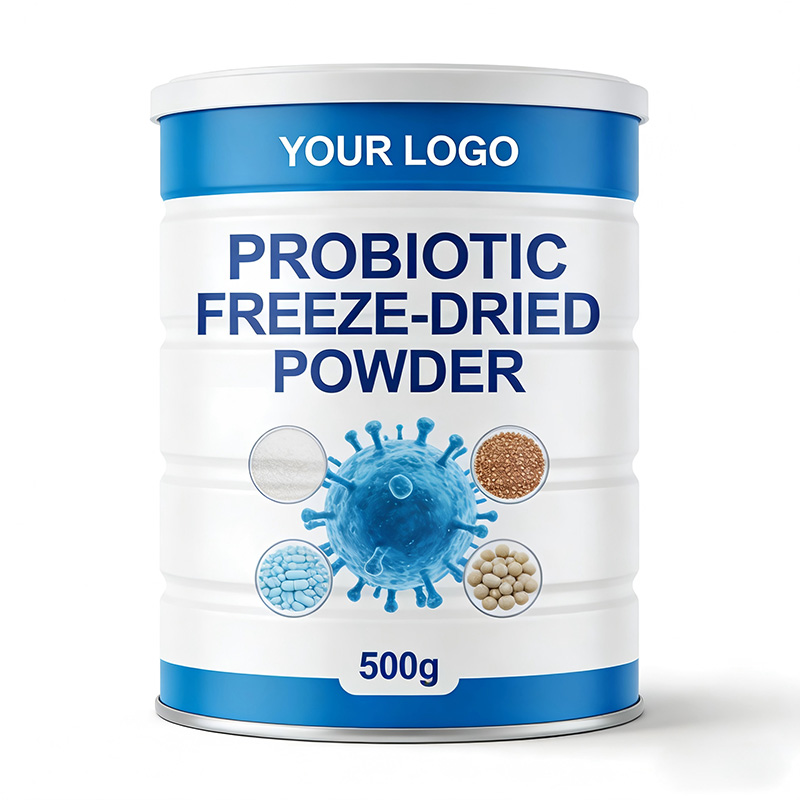
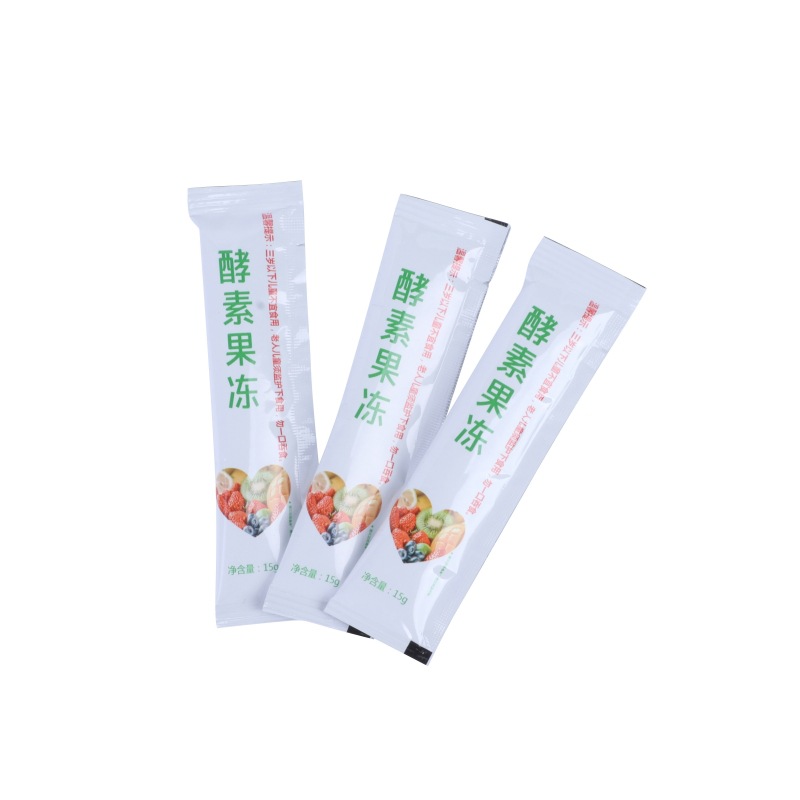
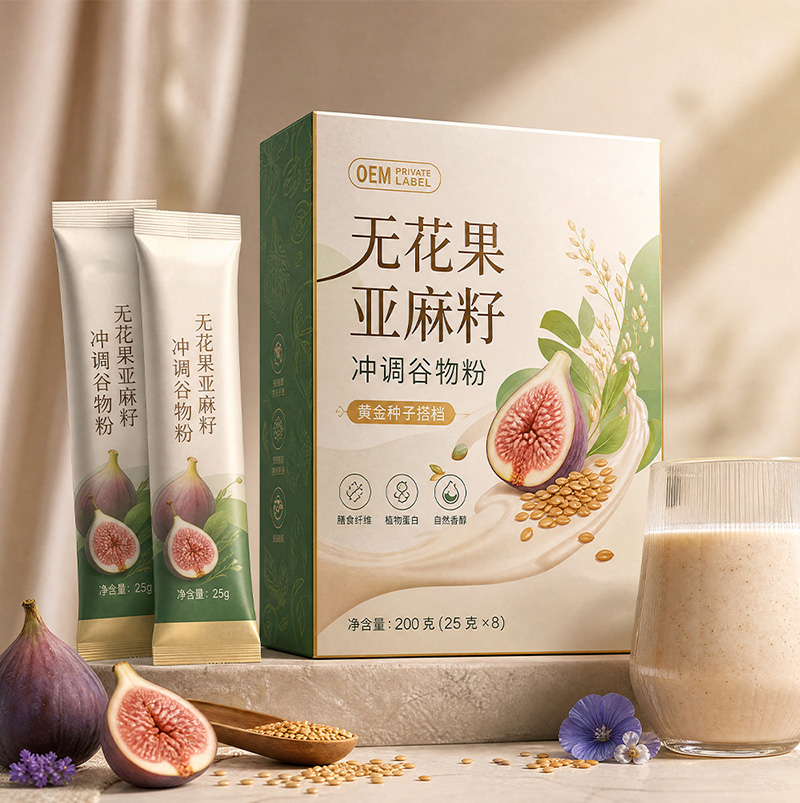
Metallised film replaces foil with a vacuum-deposited aluminium layer. Barrier performance is an order of magnitude below foil but far above plain plastic composites, and the cost sits in between, which makes it the value choice for most mainstream powders. Canisters - tinplate or PET - give mechanical strength, a good seal and repeated opening, which suits large family formats, but carry high unit cost, bulk and freight, and require control of headspace humidity. Stick packs dose accurately, travel well and are consumed in a single opening, which sidesteps the repeated-opening moisture problem entirely; they are the fastest-growing format, but demand dedicated filling equipment and carry a higher per-unit material cost.
3. Seal integrity and residual oxygen: the overlooked variables
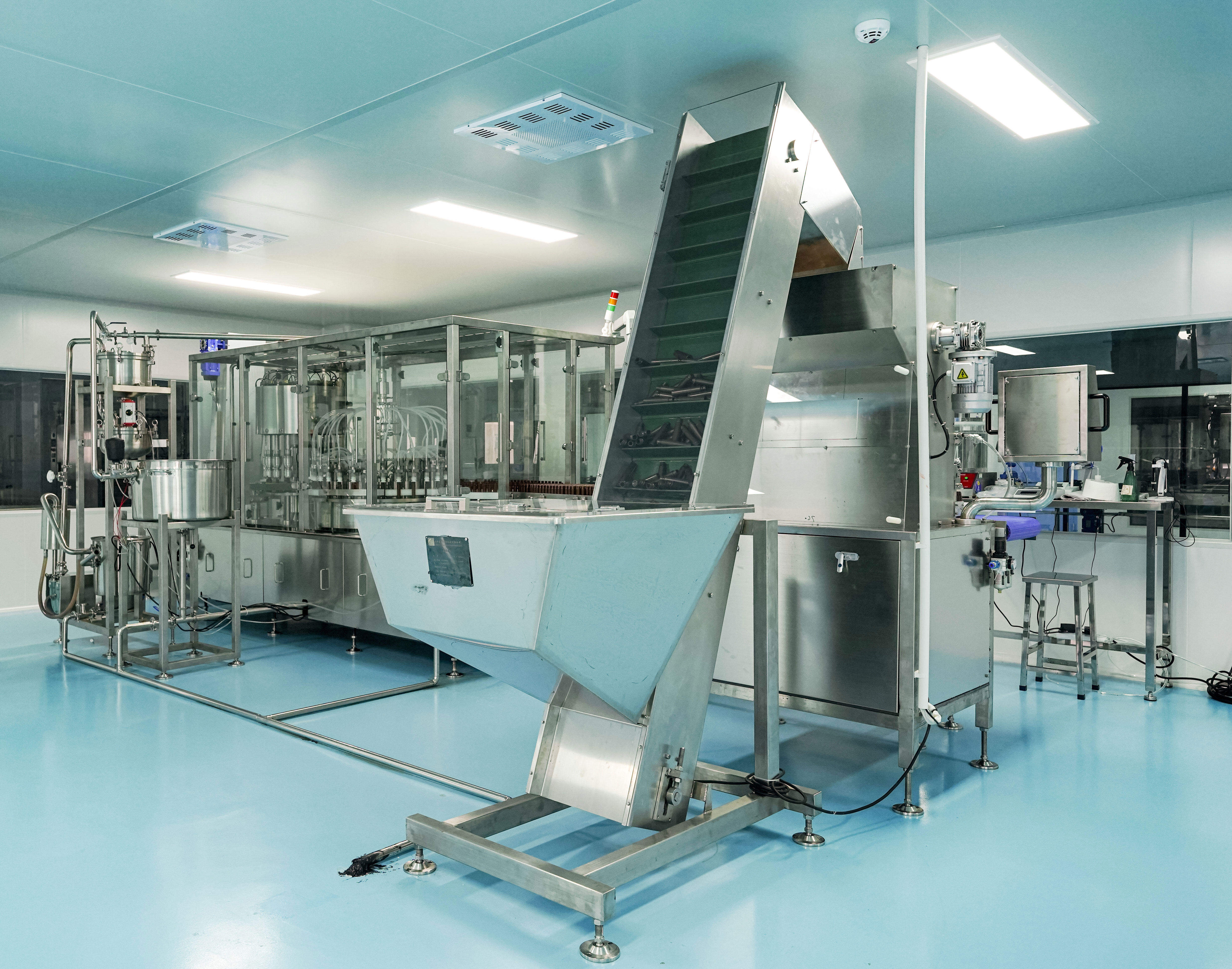
The best material in the world is wasted behind a poor seal. The usual defects are a cold seal that has not fused, powder trapped in the seal area creating a leak path, and wrinkles along the seal forming micro-channels. Trapped powder is especially damaging in fat- or protein-rich formulations, where it absorbs moisture and becomes a starting point for microbial growth.
Formulations vulnerable to oxidation - vitamin C, fish oil powder, probiotic powders - also need the headspace managed. Nitrogen flushing or vacuum after filling brings residual oxygen down to workable levels. This is why probiotic products in solid beverage OEM programmes almost always specify nitrogen flushing inside foil.
4. Setting shelf life: accelerated testing and real-time retains
Shelf life is not a number someone selects from habit. The usual method is an accelerated hold at elevated temperature and humidity - 40C and 75% relative humidity is typical - tracking moisture, microbial counts, colour, odour, solubility and active content, then extrapolating the degradation rate back to ambient conditions.
But accelerated data is a screening tool, not the final answer. Real-time retains have to confirm it. The disciplined approach is to launch on a conservative figure derived from accelerated work, start ambient and long-term retains at the same moment, and extend the declared shelf life as measured data accumulates. Brand owners should ask their manufacturer for the water vapour transmission rate certificate on the chosen film and the shelf-life validation protocol, rather than simply asking how long it will keep.
5. Matching format to serving size
Format has to follow serving size. Ten to twenty gram trial sachets suit stick packs or small foil pouches. Formats above 500g suit canisters or stand-up pouches with a scoop. Functional powders where dose accuracy matters - protein, meal replacement - favour stick packs, because one stick equals one serving and the dosing error is minimal.
Fill accuracy is another underrated factor. Powders vary enormously in flow behaviour; sugar- and fat-containing blends flow poorly and show wide weight variation at the filler. The filler type - auger, volumetric cup or gravimetric - has to match the powder, and in-process weight checks have to run often enough to keep average fill at or above the declared value.
6. Cost, minimum order quantities and the commercial trade-off
In packaging economics, minimum order quantity usually bites harder than unit price. Printing plates for foil pouches, tooling for canisters, dedicated film rolls for stick packs - all are one-off charges. Put a small first order into a high-barrier custom format and the per-unit cost becomes unpleasant once those charges are spread across it.
A pragmatic path is to launch the first run in a standard mid-barrier format, validate the market quickly, then upgrade the material and commission custom print once volume justifies it. In solid beverage projects, Guangzhou Mesen Health Biotechnology puts the packaging options and the cost model side by side - minimum quantity, tooling charges and per-unit cost in one table - so the choice between shelf life and start-up spend is visible rather than assumed.
Related Products
White Kidney Bean Black Coffee Latte Powder | Instant Keto Enzyme Coffee Solid Beverage OEM Private Label | Protein Berry Meal Replacement Shake Powder | Satiety Smoothie Solid Beverage Custom OEM
About Guangzhou Mesen Health Biotechnology Co., Ltd
Guangzhou Mesen Health Biotechnology Co., Ltd is located in the Huashan Science and Technology Park, Huadu District, Guangzhou. The company has focused on OEM and ODM services for the big health industry for nearly 20 years, operating dedicated research, production, sales and management centres, and maintaining long-term strategic partnerships with well-known Chinese medicine colleges and research institutions. Capabilities span pressed candy, gummies, capsules, solid beverages, herbal teas, plant beverages, protein powders, dietary supplements and enzyme jelly - from formulation development through contract manufacturing. For details on minimum order quantities, sampling lead times and quotations, see our manufacturing advantages and product range, or contact us for a tailored proposal.
Further Reading