
Oral Liquid OEM Equipment: Blending, Filling, Sterilising and Inspection Line Parameters
Oral liquids are among the most equipment-dependent formats. A sound formulation still fails on clarity, fill volume or microbiology if the blending tank lacks shear, filtration is too coarse, dosing drifts or the sterilisation cycle is under-designed. And because the product is a liquid, a failure usually means scrapping the whole batch rather than reworking it as a powder might allow. When assessing a contract manufacturer, the equipment list and the discipline of its parameter control tell you more than the formulation library. In oral liquid OEM, five stages decide the outcome.
1. Blending: dissolution, filtration and deaeration
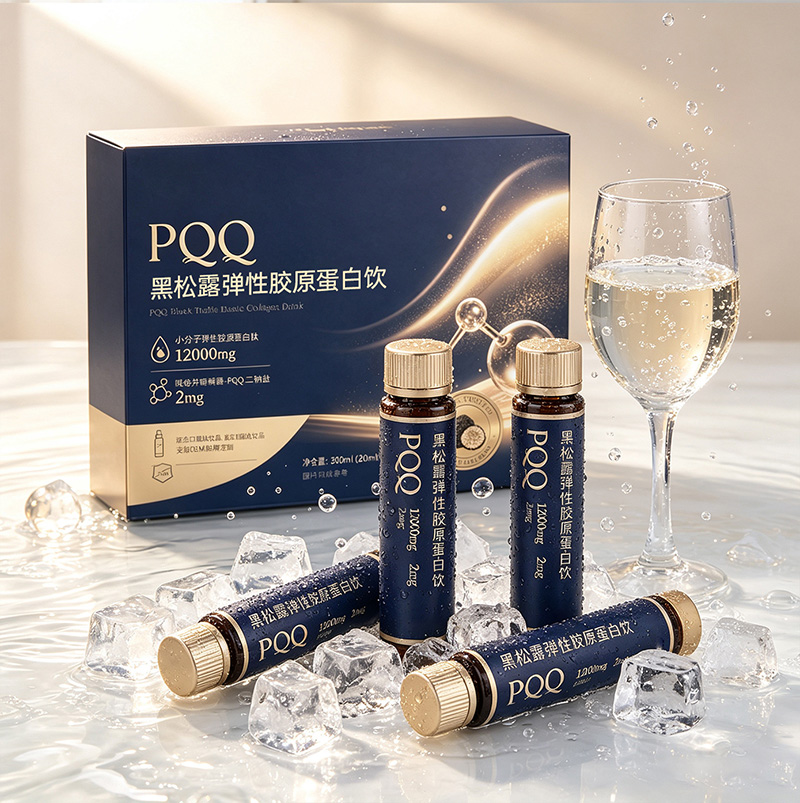
Blending is where many clarity problems begin. Three parameters matter. Shear type and speed: high-shear dispersion handles poorly soluble materials and hydrocolloids but entrains air, while frame or paddle agitation is gentle but disperses weakly. Temperature control precision: heat-sensitive actives need cold processing, whereas gums and sugar alcohols often need 60-80°C to dissolve properly. And whether vacuum deaeration is fitted, which is widely overlooked despite being critical. Air whipped in during mixing forms microbubbles that cling to the bottle wall and are read as visible particles, or accelerate oxidation during subsequent sterilisation. Filtration is staged - coarse to remove larger debris, then 0.45 µm or even 0.22 µm for microbial control and clarity - with the number of stages set by the formulation's particle load and whether terminal sterilisation is required.
2. Filling: dosing method and accuracy
Filling accuracy decides whether net content complies. Common methods are time-pressure, piston, peristaltic and gravimetric, each with a natural application: time-pressure suits low-viscosity aqueous fills cheaply and quickly; piston handles pulp-containing or viscous products more steadily; peristaltic or gravimetric suits small high-precision formats such as 10 ml sticks. Key parameters are head count, speed, suck-back setting and nozzle height. Suck-back is an underrated detail - too little and the product drips onto the sealing surface, too much and liquid already dispensed is drawn back and fill volume drops. Fill control should be assessed on at least 20 consecutive units, tracking both the mean and the individual lower bound.
3. Sterilisation: choosing method and parameters
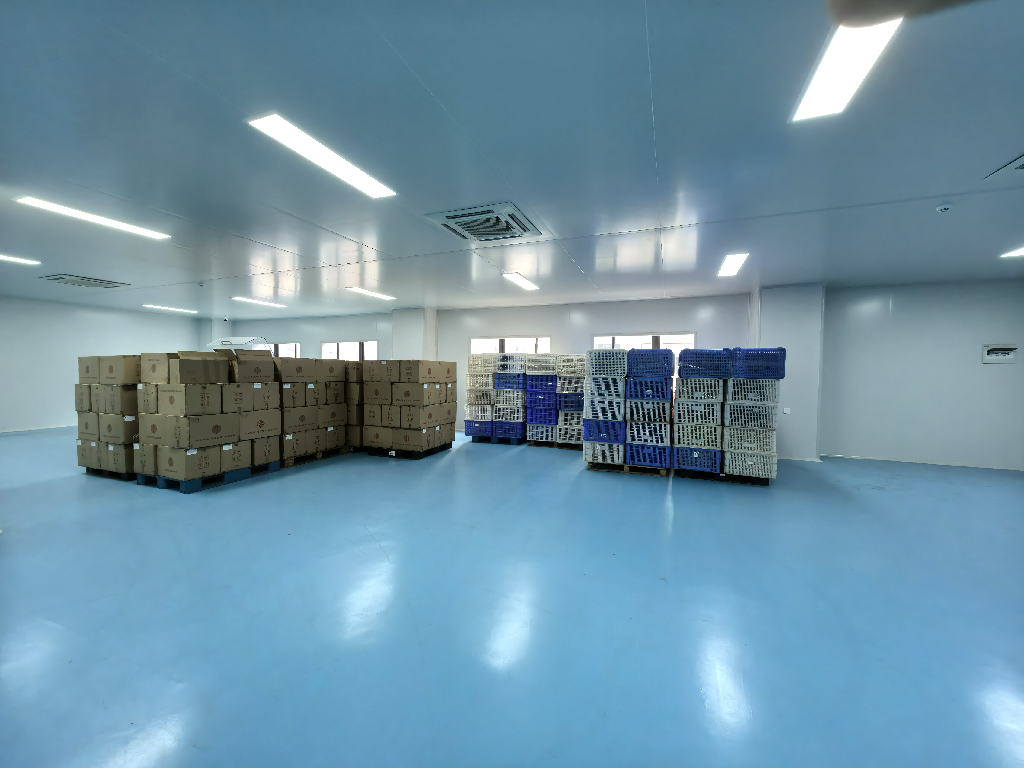
Sterilisation carries both the safety case and most of the flavour damage. Options include moist heat in a water bath or steam retort, typically 105-121°C for 15-30 minutes depending on pH and bioburden; UHT at above 135°C for seconds, which protects flavour but costs considerably more; and pasteurisation where the product sits below pH 4.6. The principle is to reach the required lethal effect with the least heat. Lethality is commonly expressed as F0, the equivalent minutes at 121°C, with a minimum of 8 typical and higher where an overkill approach is used. F0 accumulates across heating, holding and cooling, so setting by the hold stage alone understates it. Parameters should then be confirmed by a microbial challenge study rather than by experience.
4. Inspection: the last line against particles
Visible particles are the most frequent complaint and the most frequent release failure in oral liquids. Inspection is either manual or automated. Manual inspection is cheap, flexible with irregular particles and limited by operator fatigue, with miss rates rising over a long shift. Automated vision is consistent and data-rich, but needs tuning to avoid false rejects from bubbles and bottle-wall scratches. Relevant parameters are illuminance, within the range set by the applicable standard, alternating black and white backgrounds to reveal different particle types, and the inversion and observation sequence. Reducing particles is more effective at source than at inspection: complete dissolution, adequate filtration, thoroughly washed containers and a clean filling environment all cut the inspection burden substantially.
5. Line balancing
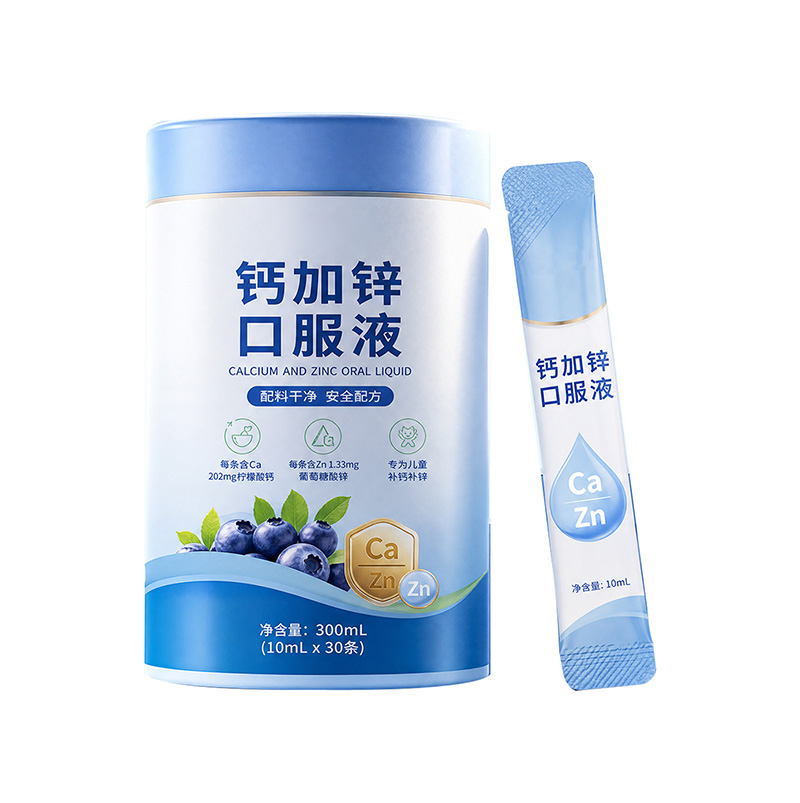
A line performs as a whole, not as individually optimised stations. The usual bottleneck is inspection or secondary packaging: filling at 200 units a minute against inspection at 100 caps output at 100, forcing the filler to slow or buffer to build. Configuration should start from the target output, then size each stage with 10-20% headroom. Changeover matters just as much, since oral liquid SKUs often differ in bottle shape and fill size; where every changeover means swapping tooling and guides, small orders become disproportionately expensive. Asking how long a bottle format change takes is a quick, honest measure of line flexibility.
6. Cleaning and cross-contamination control
Cleaning a liquid line is far more demanding than a powder line. Tanks, pipework, filling heads and filters form a long product path, and any dead leg can harbour residue and microbes. Standard practice is a CIP system - caustic wash, acid wash, purified water rinse and passivation where needed - with cleaning validation on critical product changeovers, testing final rinse water for a marker of the previous product or for conductivity and total organic carbon. Changeovers involving allergens or highly active compounds warrant particular attention. Filter integrity testing by bubble point, microbial monitoring of the purified water loop, and tank vent filter integrity are unglamorous but fundamental to keeping a liquid line stable over time.
Related Products
Calcium + Zinc Oral Liquid Blueberry Flavor | Zinc Gluconate Liquid Calcium Supplement for Kids OEM | Kids Liquid Calcium with High-Potency Vitamin K2 & D3 | Calcium Zinc Oral Liquid for Teens OEM
About Guangzhou Mesen Health Biotechnology Co., Ltd
Guangzhou Mesen Health Biotechnology Co., Ltd is located in the Huashan Science and Technology Park, Huadu District, Guangzhou. The company has focused on OEM and ODM services for the big health industry for nearly 20 years, operating dedicated research, production, sales and management centres, and maintaining long-term strategic partnerships with well-known Chinese medicine colleges and research institutions. Capabilities span pressed candy, gummies, capsules, solid beverages, herbal teas, plant beverages, protein powders, dietary supplements and enzyme jelly - from formulation development through contract manufacturing. For details on minimum order quantities, sampling lead times and quotations, see our manufacturing advantages and product range, or contact us for a tailored proposal.
Further Reading




