Pressed Candy OEM Raw Materials: Extracts, Sugar Alcohols and Lubricant Specs
A tablet formula looks simple enough - actives, filler, disintegrant, lubricant, four or five components pressed into a disc. On the production floor, though, most of the problems that appear - sticking, capping, soft tablets, weight variation, content uniformity failures - trace back to material selection. Brands tend to concentrate on which functional ingredient goes in, while what actually determines whether the tablet can be pressed at all, and whether it survives six months on the shelf, are the unglamorous excipients. Setting material specifications properly at the outset of a pressed candy OEM project saves a good deal of trouble in trial runs later.
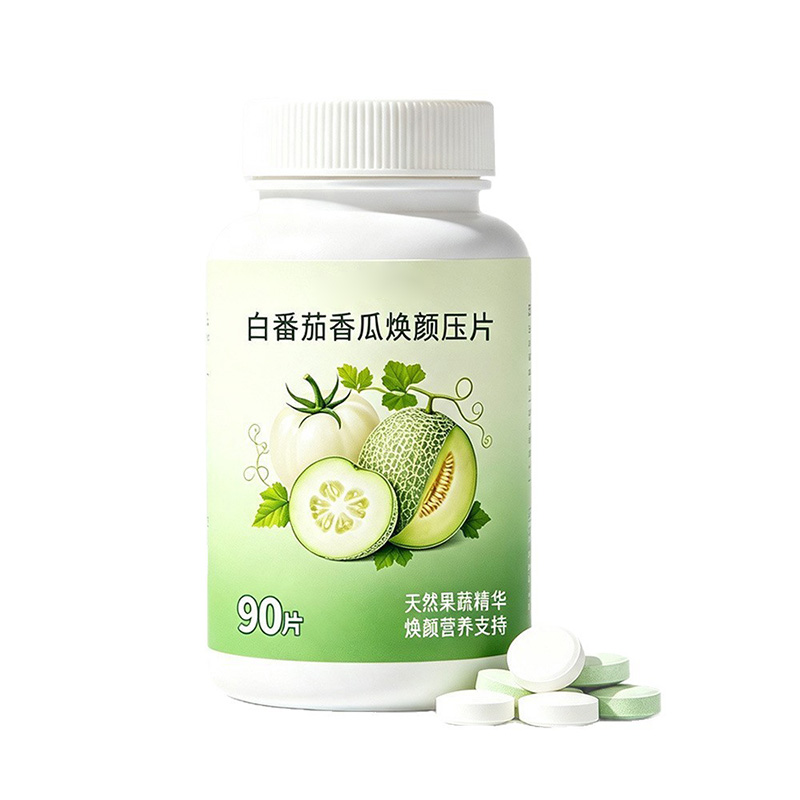
1. Extracts: three specifications before anything else
The extract carries the value, but assay alone is not enough to qualify it. First, the active content or ratio, together with the test method and the unit of expression - percentage by weight, or calculated against a marker compound. The same white kidney bean extract measured two ways can produce markedly different numbers. Second, moisture and ash: high moisture invites softening and mould during storage, while high ash usually points to inorganic residue. Third, and most often overlooked, particle size distribution and flow. Powder that is too fine, with much of it passing 200 mesh, flows poorly and bridges in the hopper, which shows up as weight variation; too coarse and content uniformity suffers. Specifying particle size to match the other components works better than simply demanding the finest grade available.
2. Fillers: what gives the tablet its body
Microcrystalline cellulose is the workhorse, acting simultaneously as filler, binder and disintegrant, with good compressibility suited to direct compression. Lactose gives a smooth, clean tablet with pleasant mouthfeel, though lactose intolerance restricts its audience and it discolours once it picks up moisture. Starch is cheap and disintegrates well but compresses poorly, so it usually needs a binder or a wet granulation step. Sugar alcohols such as mannitol and sorbitol serve as functional fillers, adding bulk while improving taste. The selection logic starts from active load: a high load leaves little room for excipients and demands good compressibility; a low load leaves space to bring cost down with starch-based systems.
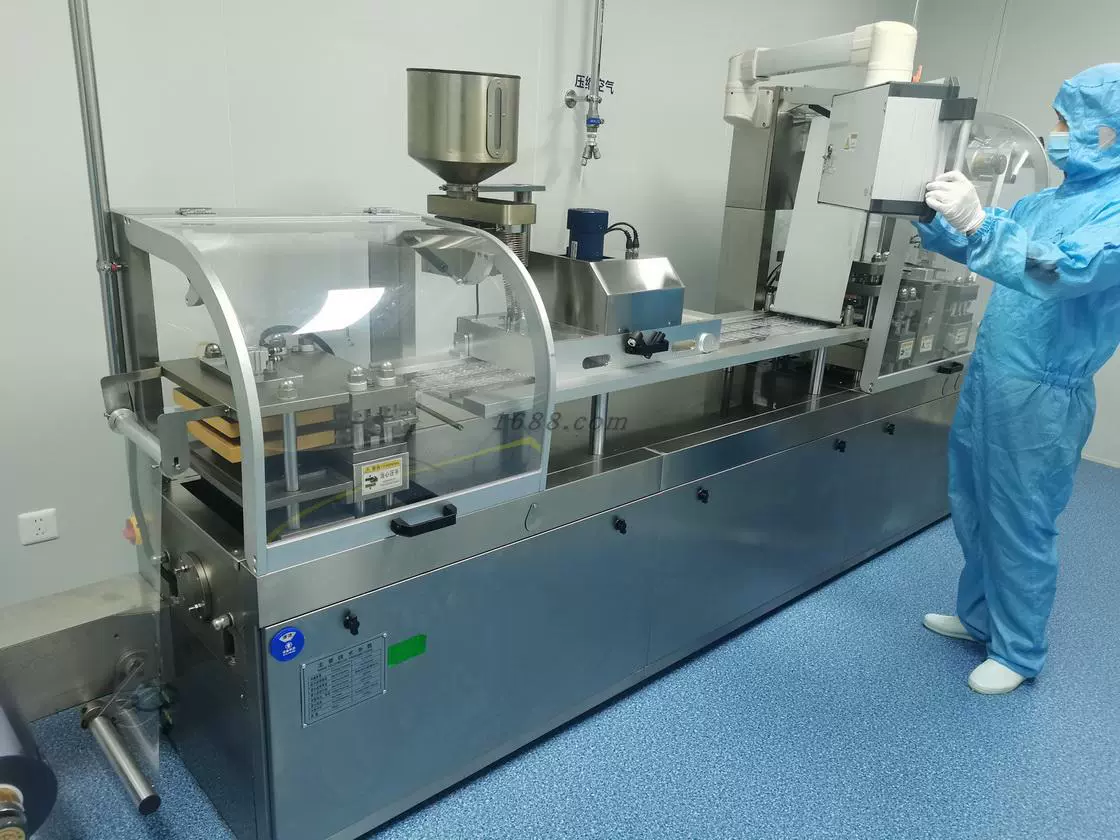
3. Sugar alcohols: more than sweetness
Sugar-free tablets replace sucrose with polyols, and the differences between them matter. Sorbitol has moderate sweetness and low cost, but its hygroscopicity is a liability - poor humidity control softens tablets and causes sticking. Xylitol gives a pronounced cooling effect and is kind to teeth, but shares the moisture problem at a higher price. Erythritol is the least hygroscopic and barely metabolised, suiting moisture-sensitive formulas, though it is the sweetest-value weakest and the most expensive. Mannitol absorbs little moisture, flows well and resists sticking, making it standard for lozenges and chewables, again at a premium. Real formulas usually blend two or three: a low-hygroscopicity base, one for cooling character, and a cheaper one to hold the cost line.
4. Disintegrants and binders: a balancing act
Disintegrants break the tablet apart after swallowing - croscarmellose sodium, crospovidone, low-substituted hydroxypropyl cellulose. Croscarmellose offers high swelling capacity at a reasonable price and is the default for most formulas; crospovidone does not gel, suiting products where speed of disintegration matters. Binders do the opposite, holding powder together as granules - povidone K30, hypromellose. The two must be balanced: too much binder produces a hard tablet that disintegrates slowly, too much disintegrant gives a friable one that fails the friability test. The practical method is to compress at conventional levels first, then adjust against measured disintegration time and friability, rather than pushing both to their upper limits from the start.
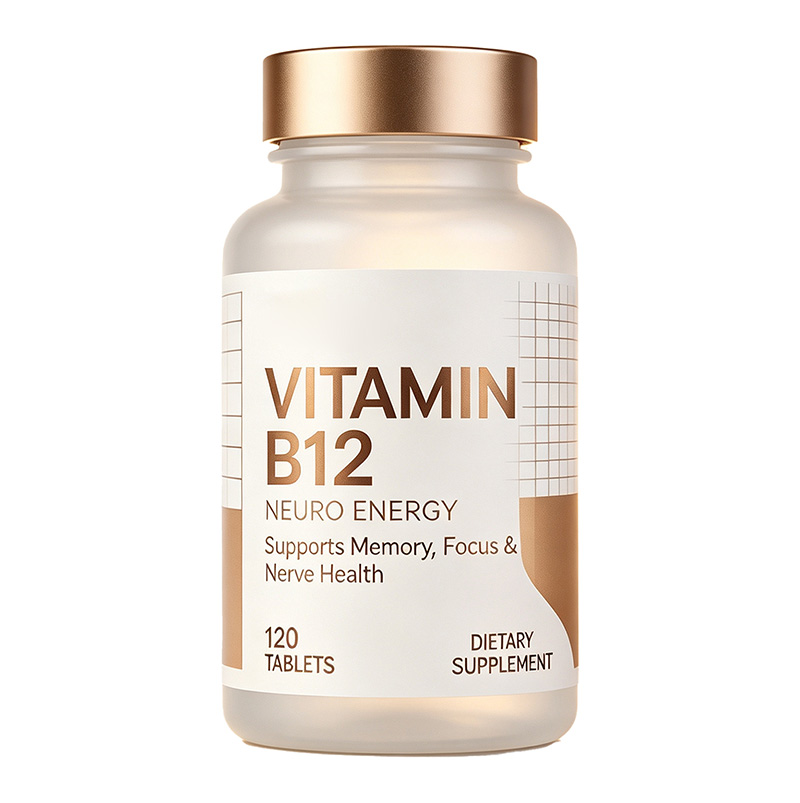
5. Lubricants: control dose and blending time
Magnesium stearate is the standard lubricant, typically used at 0.5-1%, reducing friction between granule and die wall to prevent sticking and lower ejection force. Its drawback is hydrophobicity: too much, or blended too long, and it forms a water-repellent film around the granules, slowing disintegration and reducing dissolution. Shop-floor practice is therefore strict on both variables - dose held tight, blending limited to roughly three to five minutes, and a grade with suitable surface area selected deliberately. Where a formula is sensitive, hydrogenated vegetable oil or sodium stearyl fumarate can substitute, or colloidal silicon dioxide can be added to improve flow so that less magnesium stearate is needed.
6. Incoming inspection and lot control
Selection has to be backed by acceptance criteria. Each delivery should be checked against its certificate for assay, moisture, heavy metals and microbiology, then sampled on site for appearance, odour and particle size. Particular care is needed because the same material from a different supplier or lot can behave differently in flow, and switching lots straight onto the press invites trouble. The disciplined approach is a small trial compression on each new lot, confirming weight variation and friability before scaling up. It looks like overhead, but it is far cheaper than discovering sticking halfway through a full batch.
Related Products
Glycerol diester coffee OEM OEM OEM OEM OEM meal replacement coffee MCT live broadcast same solid beverage source manufacturer | GLP-1 Semaglutide Satiety & Fat Blocker Tablets | Custom Pressed Candy OEM Manufacturing
About Guangzhou Mesen Health Biotechnology Co., Ltd
Guangzhou Mesen Health Biotechnology Co., Ltd is located in the Huashan Science and Technology Park, Huadu District, Guangzhou. The company has focused on OEM and ODM services for the big health industry for nearly 20 years, operating dedicated research, production, sales and management centres, and maintaining long-term strategic partnerships with well-known Chinese medicine colleges and research institutions. Capabilities span pressed candy, gummies, capsules, solid beverages, herbal teas, plant beverages, protein powders, dietary supplements and enzyme jelly - from formulation development through contract manufacturing. For details on minimum order quantities, sampling lead times and quotations, see our manufacturing advantages and product range, or contact us for a tailored proposal.
Further Reading