Oral Liquid OEM Cost Breakdown: Blending, Filling, Sterilisation and Packaging
Liquid supplements belong to the class of products that look simple and turn out expensive. Brands reasonably ask why a bottle costs noticeably more than an equivalent powder. Unpacked, the answer is that cost does not sit in the raw materials - most formulas carry a modest material share - but in sterilisation, fill accuracy control and packaging. Understanding those three in an oral liquid OEM quotation is what allows a brand to judge whether a price is fair and where it might be improved.
1. Materials: content and solubility both cost money
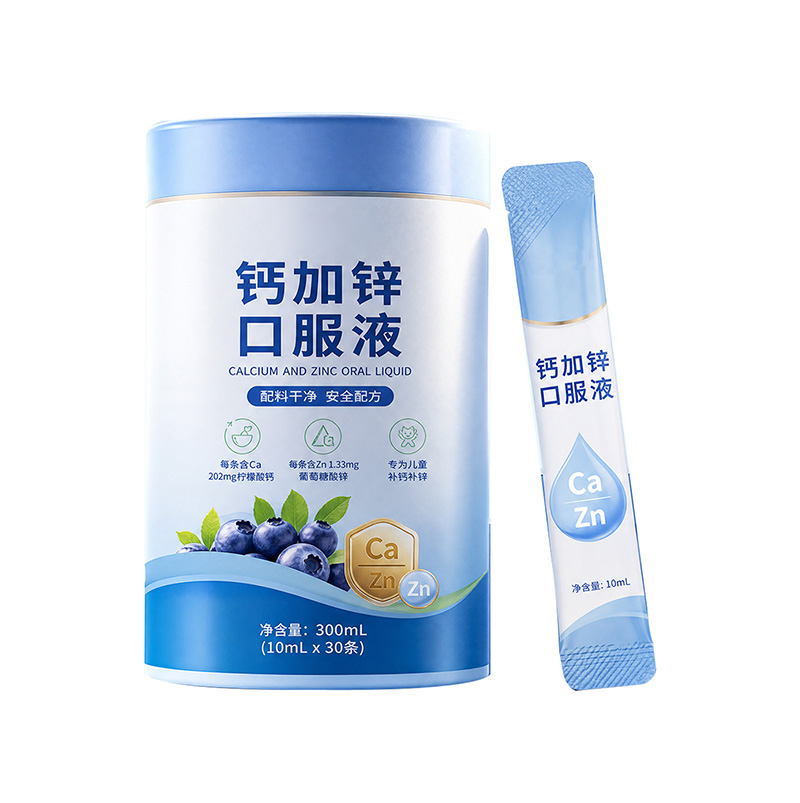
Material cost splits into actives and the excipient system. Actives scale linearly with dose, as in any format. What is routinely underestimated is the excipient system: a liquid needs taste correction, acidity adjustment, stabilisers, antioxidants and purified water as solvent, and the flavour-masking package is often surprisingly expensive. Where actives carry strong off-notes - certain plant extracts, amino acids, minerals - masking becomes considerably more complex, potentially involving sweetener blends, flavour selection or cyclodextrin inclusion, all of which add cost. Solubility affects yield too: poorly soluble material means more solvent, longer mixing and tighter filtration, all hidden costs. Disclosing genuine dose and taste intensity at the outset is what makes a quotation accurate.
2. Blending: where the losses occur
Blending concentrates the losses of liquid manufacture, in four places. Material clinging to vessel walls at charging, worst with viscous ingredients. Insoluble matter removed in filtration, plus active adsorbed onto the filter medium. Product left in pipework during transfer, increasing with run length and number of elbows. And the head and tail difference between batch volume and what actually reaches bottles. Plants build these into an overage factor, commonly 3 to 8%, higher for difficult formulas, and charge it at raw material price - an invisible line in any quote. Reducing it means optimising charging order, choosing low-adsorption filter media, shortening pipe runs, and increasing batch size where volume allows.
3. Filling and sterilisation: the widest cost spread
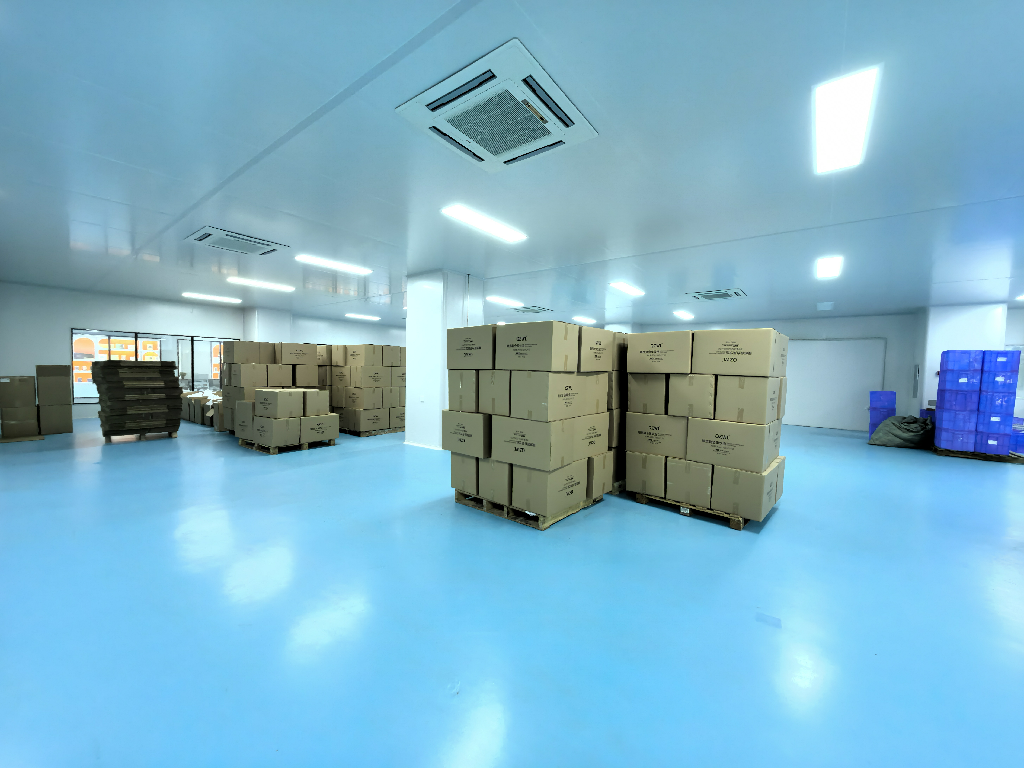
Fill accuracy costs money directly. Fill is set against the declared volume with a positive overage to guarantee no bottle falls short, and that overage is pure material loss - the more accurate the filler, the smaller the overage can be. High-accuracy equipment is expensive but pays back on formulas using costly actives. Sterilisation choice matters more. A low-pH product can use pasteurisation with modest energy and equipment cost; closer to neutral pH may require a significantly higher process intensity or ultra-high temperature equipment, raising both capital and running cost. Where terminal sterilisation is used after filling and capping, bottle and closure heat resistance constrain packaging options further.
4. Packaging: the bottle sets the order of magnitude
Packaging carries a high share of liquid cost and varies enormously between options. Glass gives premium feel and excellent barrier properties but is heavy, expensive to ship, carries real breakage losses, and needs protective cushioning. PET is light and resists breakage, with somewhat lower barrier performance and a need for light protection with photosensitive actives. Liquid stick packs use little material, travel well and dose precisely, but demand reliable form-fill-seal equipment and are limited in volume per stick. Outer cartons, leaflets, caps and induction seals add on top. Bespoke bottles bring tooling and print minimums, which is a principal reason first orders look expensive; stock bottles with a bespoke label is the most direct route to a lower entry cost.
5. Batch size: how set-up cost is spread
Set-up cost in liquid manufacture is largely fixed: cleaning and sanitising tanks and pipework, equipment set-up with first-article checks, steriliser heat-up and validation, and line clearance. None of this scales with output, so it weighs heavily on small runs. Producing 50,000 units as five batches of 10,000 costs materially more than two batches of 25,000, because cleaning, set-up and validation happen five times rather than twice. That is why plants set minimums, and why consolidating orders lowers unit price. Where the first order genuinely cannot grow, asking whether the run can share a production window with other work is a reasonable trade of flexibility for price.
6. Five questions for any quotation
Confirm each before comparing: whether the price includes tax and freight, since glass carries a meaningful freight share; how fill overage is set and how excess is charged; the specified sterilisation method and the shelf life it delivers; whether packaging is bought by the plant or supplied by the brand, and who owns surplus and loss; and the quote validity together with any raw material index linkage. With those settled, quotes become comparable and later disputes over interpretation largely disappear.
Related Products
Calcium + Zinc Oral Liquid Blueberry Flavor | Zinc Gluconate Liquid Calcium Supplement for Kids OEM | Kids Liquid Calcium with High-Potency Vitamin K2 & D3 | Calcium Zinc Oral Liquid for Teens OEM
About Guangzhou Mesen Health Biotechnology Co., Ltd
Guangzhou Mesen Health Biotechnology Co., Ltd is located in the Huashan Science and Technology Park, Huadu District, Guangzhou. The company has focused on OEM and ODM services for the big health industry for nearly 20 years, operating dedicated research, production, sales and management centres, and maintaining long-term strategic partnerships with well-known Chinese medicine colleges and research institutions. Capabilities span pressed candy, gummies, capsules, solid beverages, herbal teas, plant beverages, protein powders, dietary supplements and enzyme jelly - from formulation development through contract manufacturing. For details on minimum order quantities, sampling lead times and quotations, see our manufacturing advantages and product range, or contact us for a tailored proposal.
Further Reading