Solid Beverage OEM for Small Batches and Many SKUs: Changeover, Scheduling and Cross-Contamination
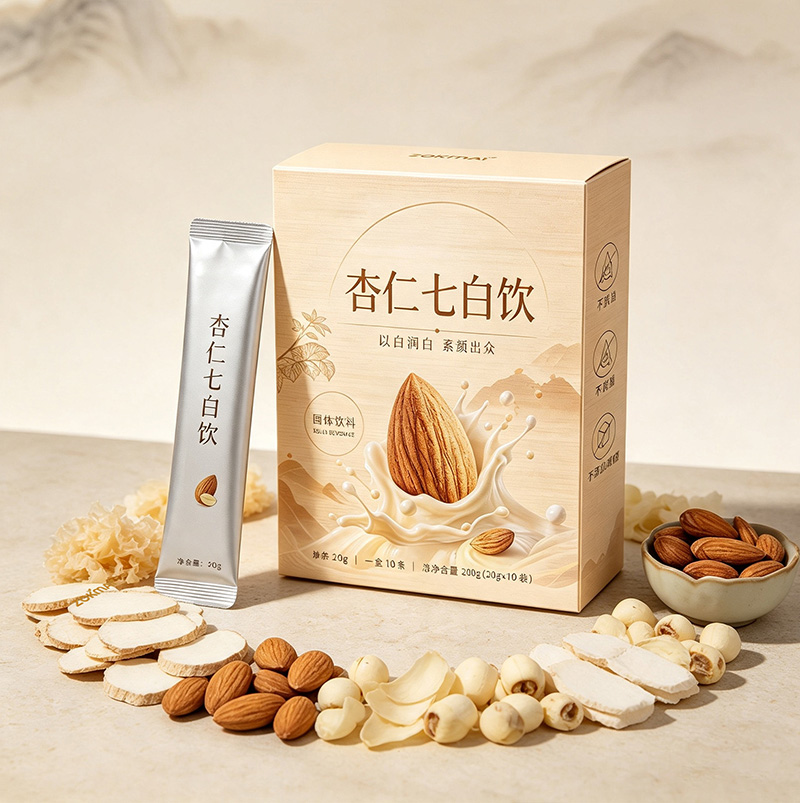
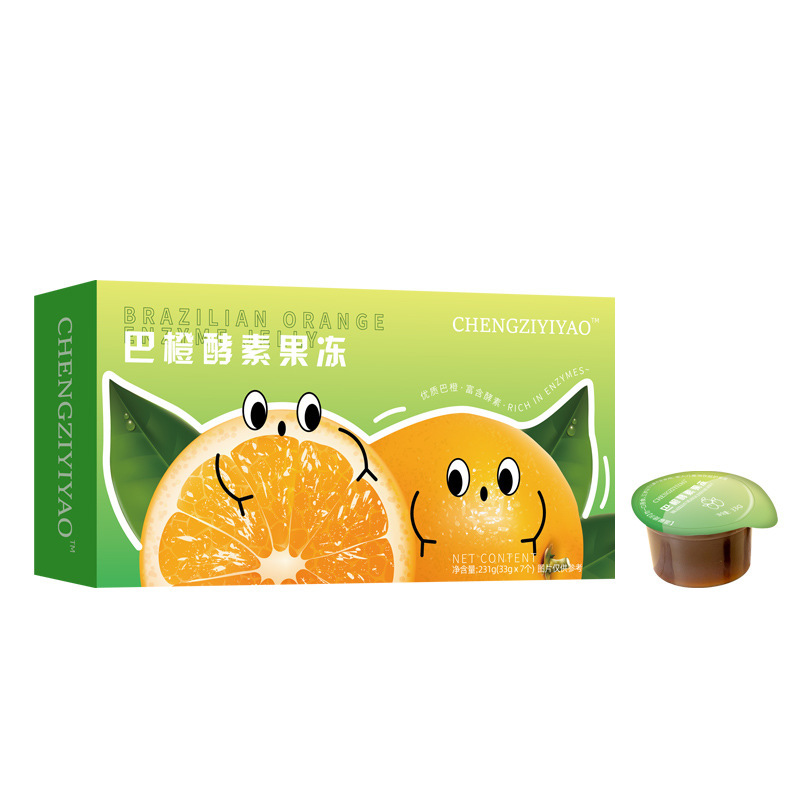
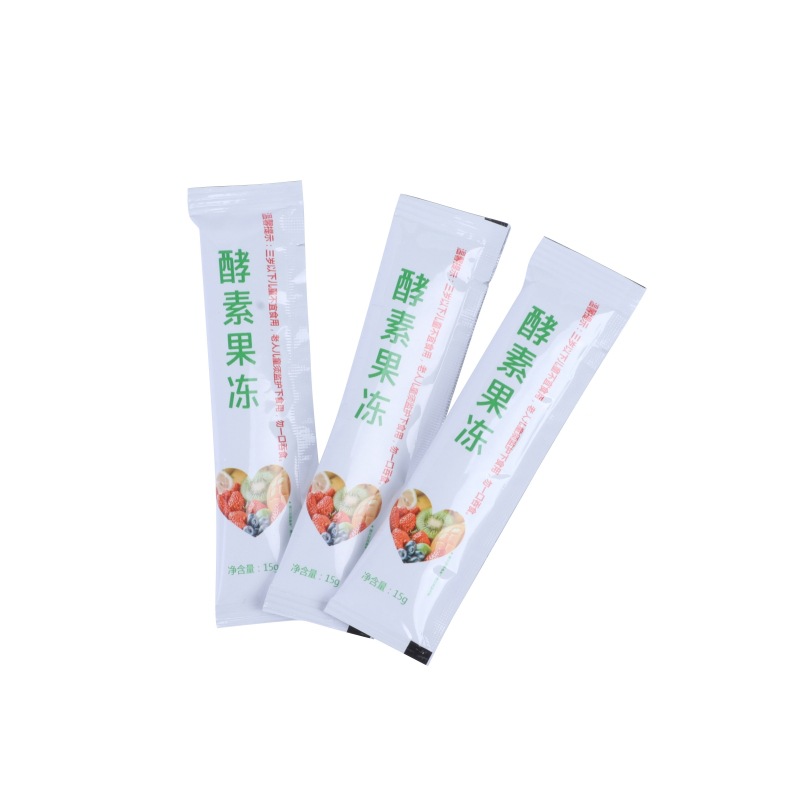
Solid beverages are the easiest format to extend into multiple flavours and functional variants, which makes them the category where small-batch, high-SKU-count orders concentrate. A brand carrying fifteen SKUs and wanting a few thousand sticks of each is behaving sensibly in market terms. On the shop floor it means changeovers multiply, cleaning verification becomes routine, and scheduling complexity rises sharply. Handled badly, both lead time and cost slip out of control. Understanding where the cost actually sits lets a brand design its SKU matrix more economically from the start.
1. Where the cost really is: changeover time
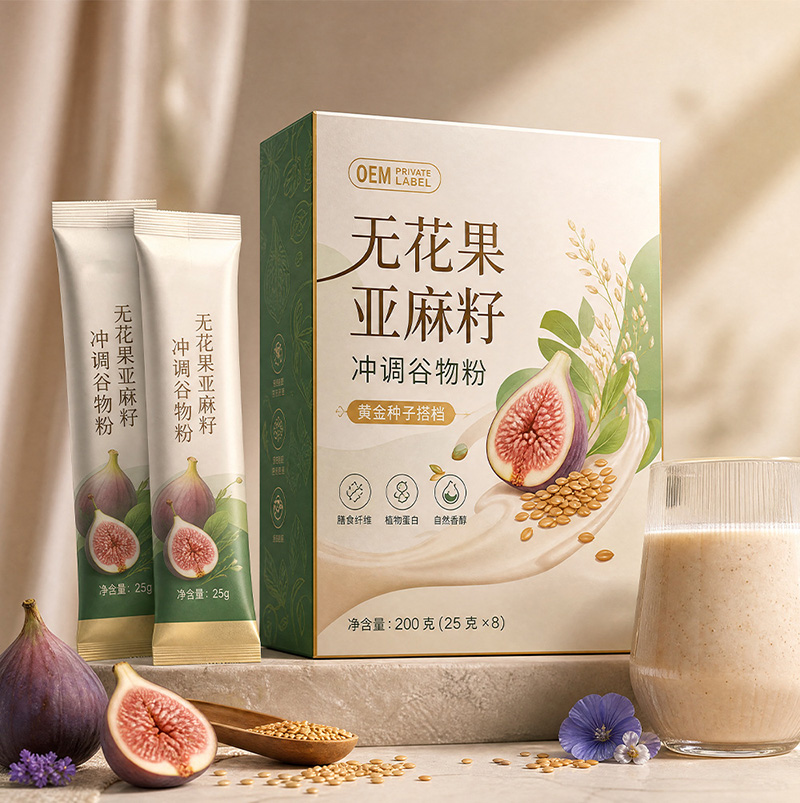
Brands tend to assume the cost of a small run is in the ingredients. For a manufacturer it is overwhelmingly in the non-productive portion of machine occupancy. Changing a stick-packing line from one SKU to the next, even a simple flavour change, means withdrawing material, stripping the machine, cleaning, drying, inspecting, loading new material, adjusting fill weight, confirming first articles and only then running. That sequence typically takes two to four hours, while producing a few thousand sticks may take one. Most of the machine time on a small order is preparation rather than production. This explains why a manufacturer is more sensitive to SKU count than to total volume, and why consolidating related SKUs improves a quotation more reliably than negotiating the rate.
2. Changeover cleaning: rinsing is not enough
Cleaning between products is the highest-risk step in multi-SKU running and it is governed by procedure, not by judgement on the day. A compliant changeover requires the previous material to be returned to stores or destroyed, removable parts to be stripped and washed, fixed surfaces to be wiped down, utensils and the work area to be cleaned, and the result to be inspected and recorded. Verification normally covers two things: visual cleanliness, meaning no visible residue, and where warranted, swab testing - particularly after products containing allergens, high-potency actives or strong colourants. The most persistent misconception is that similar colours need no cleaning. Regardless of appearance, a change of composition requires the full procedure. Changeover records are an audit staple and a key piece of traceability evidence.
3. Scheduling: group the similar, order the sequence
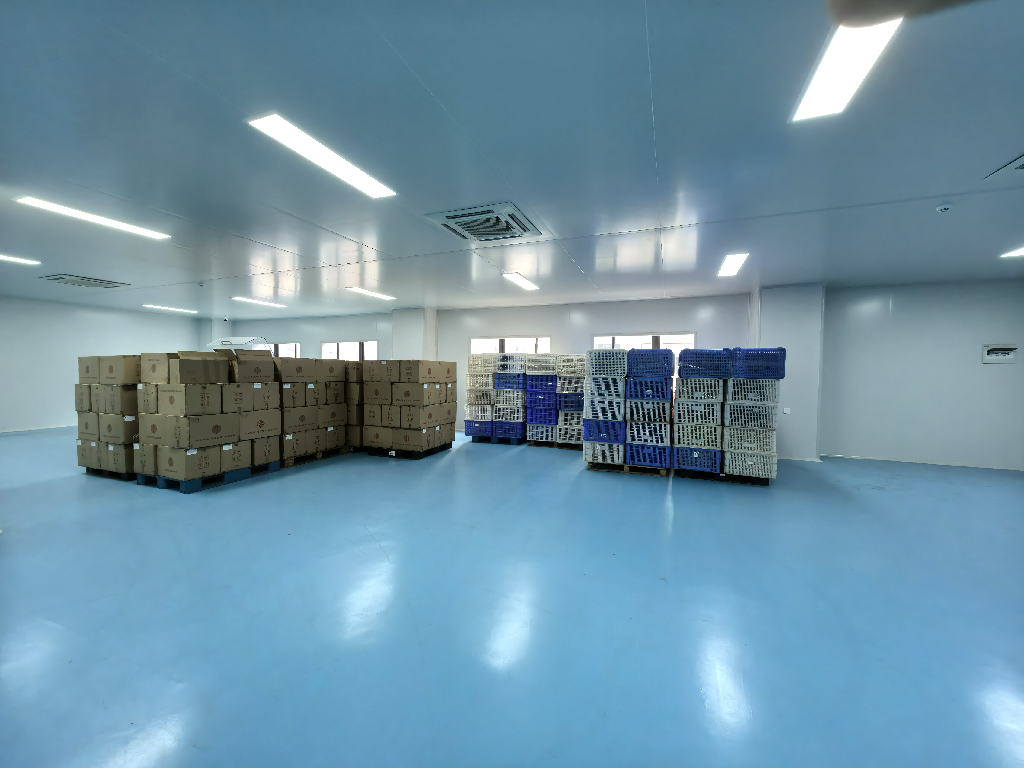
The lever that actually reduces multi-SKU cost is scheduling, not price. Three principles do most of the work. Consolidate common bases: SKUs sharing the same base powder belong in one production block, so the changeover only swaps minor ingredients instead of stripping the whole line. Sequence from light to heavy: pale to dark in colour, mild to strong in aroma, lower to higher in active level, which lowers both cleaning difficulty and carry-over risk. And place allergen or special-ingredient SKUs last, closing the block with a full deep clean. Applied together these typically compress total changeover time by thirty to fifty per cent for the same SKU count. A brand that hands over its SKUs pre-grouped on this logic usually earns a better lead time and a better price.
4. Shared-line risk: cross-contamination and allergens
When multiple SKUs share a line, cross-contamination is a risk that requires formal assessment, not a cleaning detail to be handled pragmatically. The assessment covers three dimensions: whether allergen and non-allergen products share the line, where allergens include milk, soy, nuts and gluten; whether high-potency actives share with general foods; and whether colour or flavour carry-over will affect the sensory profile of the next batch. Allergen sharing is normally managed through strict sequencing plus cleaning verification, with compliant allergen declaration on the label. High-potency actives may require dedicated equipment or dedicated production windows. When auditing a manufacturer, asking which other categories run on the target line is the most direct way to judge shared-line exposure.
5. Minimum order quantities and where the balance sits
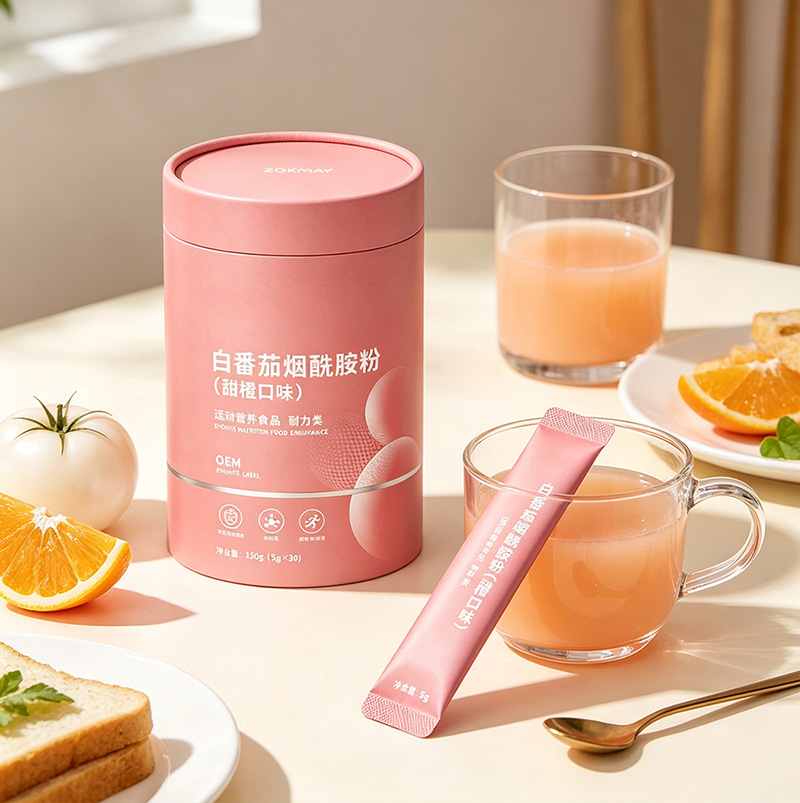
A minimum order quantity exists to cover changeover cost. A useful test for a brand: if a SKU run does not fill half a shift including changeover, the conversion cost will necessarily be high, and three alternatives are worth considering. Reduce the SKU count and validate the market with fewer flavours. Restructure production so the base powder is made in one large batch and differentiating premixes are blended in smaller lots, moving volume upstream and differentiation downstream. Or accept a tiered price structure and trade a commitment to repeat orders for a relaxed first-batch minimum. All three change the cost structure, which is why they outperform simply pushing on unit price, which only redistributes margin.
6. Designing a SKU matrix that works
The practical recommendation from the production side is to launch with three to five SKUs that share one base formulation and differ only in flavour, colour or functional premix, and to hold genuinely different formats or systems for a second wave. Doing so lets the first batch run on something close to single-product economics, validates faster, and cuts changeover exposure; when one SKU takes off, scaling it on its own then costs less. Multi-SKU is entirely workable, but it works best in phases: flexibility during market validation, scale once the winner is known. Treating flexibility as a validation-phase tool and scale as a growth-phase tool keeps cost and quality predictable, which is what a large portfolio most needs from a manufacturing partner.
Related Products
White Kidney Bean Black Coffee Latte Powder | Instant Keto Enzyme Coffee Solid Beverage OEM Private Label | Protein Berry Meal Replacement Shake Powder | Satiety Smoothie Solid Beverage Custom OEM
About Guangzhou Mesen Health Biotechnology Co., Ltd
Guangzhou Mesen Health Biotechnology Co., Ltd is located in the Huashan Science and Technology Park, Huadu District, Guangzhou. The company has focused on OEM and ODM services for the big health industry for nearly 20 years, operating dedicated research, production, sales and management centres, and maintaining long-term strategic partnerships with well-known Chinese medicine colleges and research institutions. Capabilities span pressed candy, gummies, capsules, solid beverages, herbal teas, plant beverages, protein powders, dietary supplements and enzyme jelly - from formulation development through contract manufacturing. For details on minimum order quantities, sampling lead times and quotations, see our manufacturing advantages and product range, or contact us for a tailored proposal.
Further Reading