Preservative Systems in Oral Liquid OEM: Selection, Efficacy Testing and Low-Preservative Routes
Oral liquids sit at the higher end of microbiological risk among contract formats. They are water-based, so water activity is close to one, and most are used repeatedly over one or two weeks after opening, with every opening an inoculation event. Preservation therefore carries far more weight here than in tablets or gummies. The common failure is that a formulator adds a single preservative by habit, never checks whether the pH window suits it, and never runs an efficacy test, so the count runs away during shelf life or during the in-use period. On oral liquid supplement programmes we treat preservation as a subsystem that has to be designed, verified and monitored.
1. Why liquids are more demanding
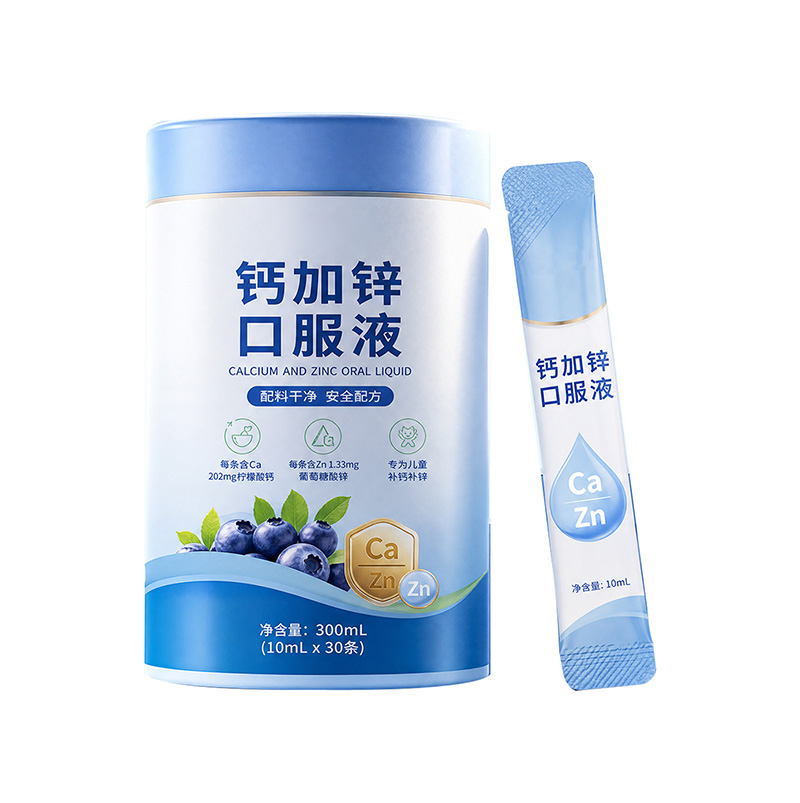
Three factors compound. Water activity is the first: an aqueous system offers almost no room to inhibit growth through Aw unless sugar or polyols are pushed to levels that ruin the taste. Use pattern is the second: multi-dose bottles are contacted repeatedly, organisms are introduced continuously, and the product has to hold through the whole in-use period, which is a stricter requirement than unopened shelf life. Formulation complexity is the third, because botanical extracts, juices, amino acids and vitamins can carry organisms and also feed them. So microbial control for liquids needs both an effective preservative system in the product and hygiene discipline in the process, and neither substitutes for the other.
2. Preservatives and their pH windows
Selection starts from pH dependence. Sodium benzoate works through the undissociated benzoic acid molecule, so the fraction available falls as pH rises and performance drops off noticeably above about pH 4.5, which restricts it to acidic systems. Potassium sorbate has a wider window, useful to roughly pH 5.5 or a little above, though it too weakens with pH. Parabens stay effective across a broad pH range but have low solubility and need proper dispersion or solubilisation. Beyond pH, four things catch people out. Combinability: surfactants and some thickeners bind preservative and reduce the free concentration, and polysorbate-containing systems are the classic case. Packaging interaction: certain plastics absorb preservative over time. Sensory impact: overdosing shows up as off-note or astringency. And regulation: permitted substances and limits differ by market, so export products must be checked against the destination rules.
3. Running a preservative efficacy test
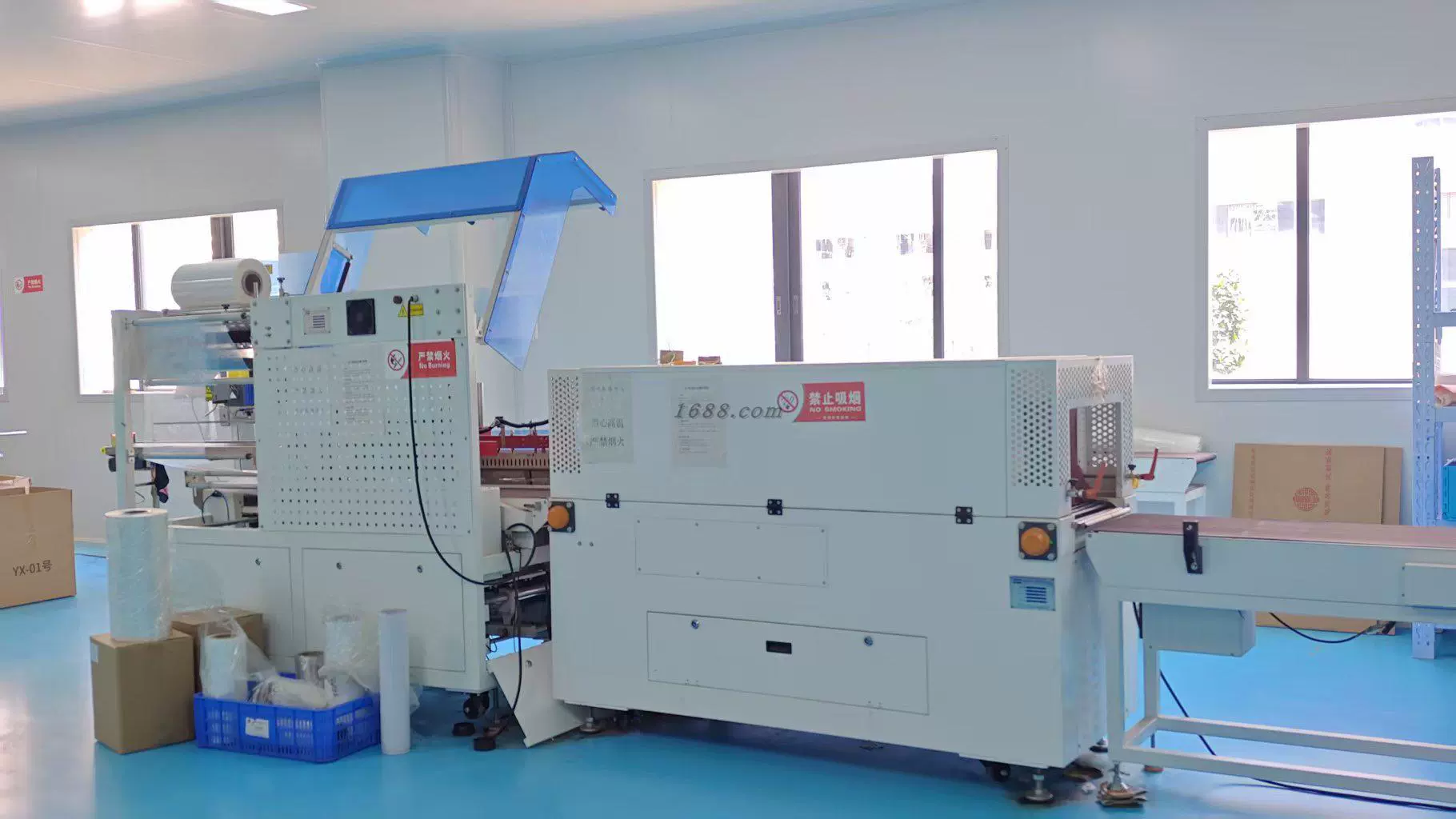
Efficacy cannot be assumed; it is demonstrated by a challenge test. The finished product or a laboratory sample is inoculated with representative organisms, typically Staphylococcus aureus, Escherichia coli, Pseudomonas aeruginosa, Candida albicans and Aspergillus niger, at around ten to the fifth or sixth per gram or millilitre, then held at a defined temperature and counted at set intervals, commonly days 7, 14, 21 and 28. Judgement rests on log reduction: bacteria are expected to fall by a specified number of log units within a defined period with no regrowth afterwards, and fungi by a smaller margin with no increase at any point. The step that most often invalidates a study is neutralisation. Residual preservative has to be neutralised at sampling or the count is falsely low, and the neutraliser itself has to be validated for the organisms in question.
4. Low-preservative and preservative-free routes
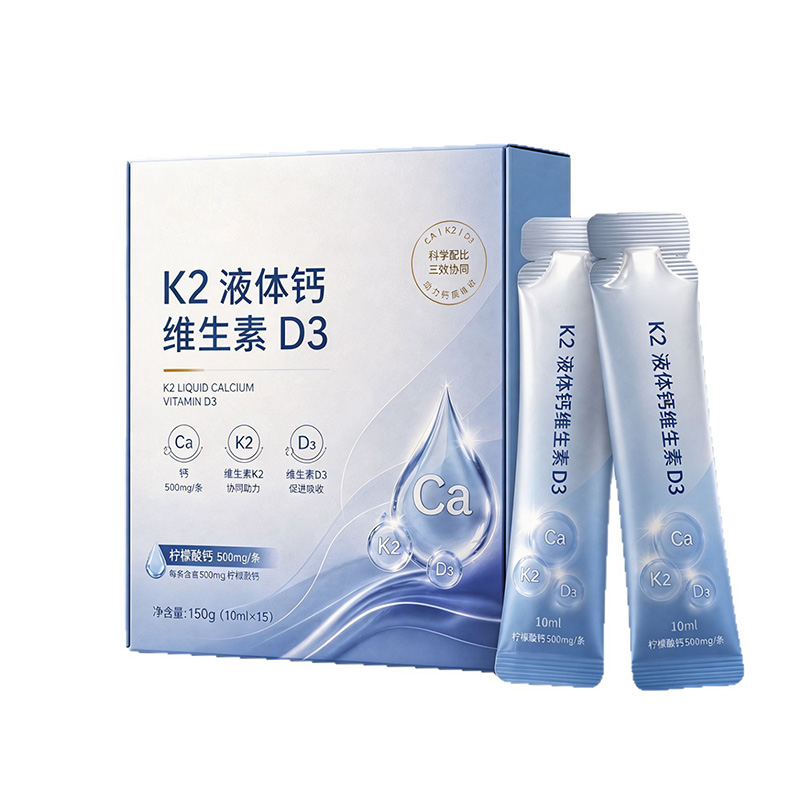
Clean-label pressure has pushed low and zero preservative systems, and they work only under defined conditions. The first route suppresses through the system itself: pH below about 4.0, or high sugar and polyol levels that lower water activity, both of which compress the growth space at the cost of taste and formulation freedom. The second substitutes process for preservative: terminal sterilisation by retort or flowing steam in a sealed pack delivers commercial sterility and ambient stability without preservative, paid for in thermal damage to sensitive actives and higher packaging cost. The third changes the format: single-dose vials or stick packs are used once and discarded, which removes in-use contamination entirely and suits high-value, preservative-sensitive products well. Which route fits depends on thermal stability of the actives, target market regulation and cost structure.
5. Microbial control in the process
No preservative survives a process that floods the product with organisms. The essentials are: purified water for make-up, monitored routinely; validated cleaning and disinfection of tanks, pipework and filling heads, with a final rinse water check after CIP; defined maximum hold time and temperature between compounding and filling, since warm product grows organisms quickly; membrane filtration as an additional barrier, particularly for heat-sensitive systems; an appropriate environmental standard for filling and capping, supported by gowning and operator discipline; and microbiological specifications for incoming bottles and caps, cleaned or sanitised where required. Each of these is a potential source, and the most sensitive indicator of whether they are under control is the long-term trend in initial bioburden of finished product.
6. Verifying both shelf life and in-use period
Verification has to cover two states. Unopened shelf life is followed under ambient and accelerated conditions with microbial testing at intervals to confirm stability through the declared life, alongside pH, appearance, odour and preservative assay, since preservatives slowly degrade or are absorbed by packaging. In-use verification is the one usually skipped: the product is used as consumers would, opened and dosed daily and stored at room temperature, then tested at the end of the in-use period to confirm the count is still acceptable. For hot and humid export markets the same exercise is worth repeating at elevated temperature. Together these two data sets justify the shelf life and in-use statements on the label, and they are the most persuasive evidence available when a complaint is escalated.
Related Products
Calcium + Zinc Oral Liquid Blueberry Flavor | Zinc Gluconate Liquid Calcium Supplement for Kids OEM | Kids Liquid Calcium with High-Potency Vitamin K2 & D3 | Calcium Zinc Oral Liquid for Teens OEM
About Guangzhou Mesen Health Biotechnology Co., Ltd
Guangzhou Mesen Health Biotechnology Co., Ltd is located in the Huashan Science and Technology Park, Huadu District, Guangzhou. The company has focused on OEM and ODM services for the big health industry for nearly 20 years, operating dedicated research, production, sales and management centres, and maintaining long-term strategic partnerships with well-known Chinese medicine colleges and research institutions. Capabilities span pressed candy, gummies, capsules, solid beverages, herbal teas, plant beverages, protein powders, dietary supplements and enzyme jelly - from formulation development through contract manufacturing. For details on minimum order quantities, sampling lead times and quotations, see our manufacturing advantages and product range, or contact us for a tailored proposal.
Further Reading