Fermented Plant Beverages in OEM: Cultures, Control and Finishing
Fermented plant beverages have held consumer interest for several years, with fruit and vegetable ferments, fermented teas and grain-based drinks all continuing to appear. What attracts brand owners is the distinctive flavour, not a sweet aroma assembled from flavours but a layered profile of organic acids, esters and amino acids produced during fermentation. Turning that into a consistently reproducible product asks far more of plant beverage contract manufacturing than a blended drink does. The cultures keep growing, acidity keeps shifting, gas may keep forming, and any of these getting out of control shows up as swollen bottles, drifting taste or separation during shelf life. This article separates the decision points along the process.
1. Distinguish the three types of fermented drink
The first type is fermented and then inactivated, where heat treatment kills or deactivates the culture so no further fermentation occurs and flavour is essentially fixed at release; it carries the lowest shelf-life risk and is the easiest to manufacture on contract. The second retains live cultures at release, requiring cold chain or metabolic suppression through formulation, with a shorter shelf life and high storage and logistics demands; a brand owner should confirm the sales channel can handle cold chain before starting. The third is fermented and then sterilised by filtration without heat, which preserves flavour best but demands high hygiene standards and usually aseptic filling. The type should be fixed at project inception, because process route, equipment, cost and shelf life differ completely between them, and discussing them together is the fastest way to have a proposal overturned later.
2. Culture choice steers the flavour
Common cultures fall into rough groups by function. Lactic acid bacteria do the heavy lifting, converting sugar into lactic acid for a soft acidity that also suppresses contaminants; strains differ noticeably in acidification speed and flavour, some clean and some creamy. Yeasts generate esters and alcohols that supply fruity and vinous notes, but poorly controlled they produce obvious alcohol and gas. Acetic acid bacteria yield volatile acidity with strong impact, well suited to kombucha-style products, though they are aggressive towards equipment and piping. Real production uses blends inoculated in stages, one group first establishing acidity, another then generating flavour compounds. On sourcing, commercial starter cultures with documented identification and traceability are preferable to wild fermentation or an undocumented mother culture, whose batch variation cannot be controlled and whose description cannot support a standardised product claim.
3. The critical control points during fermentation
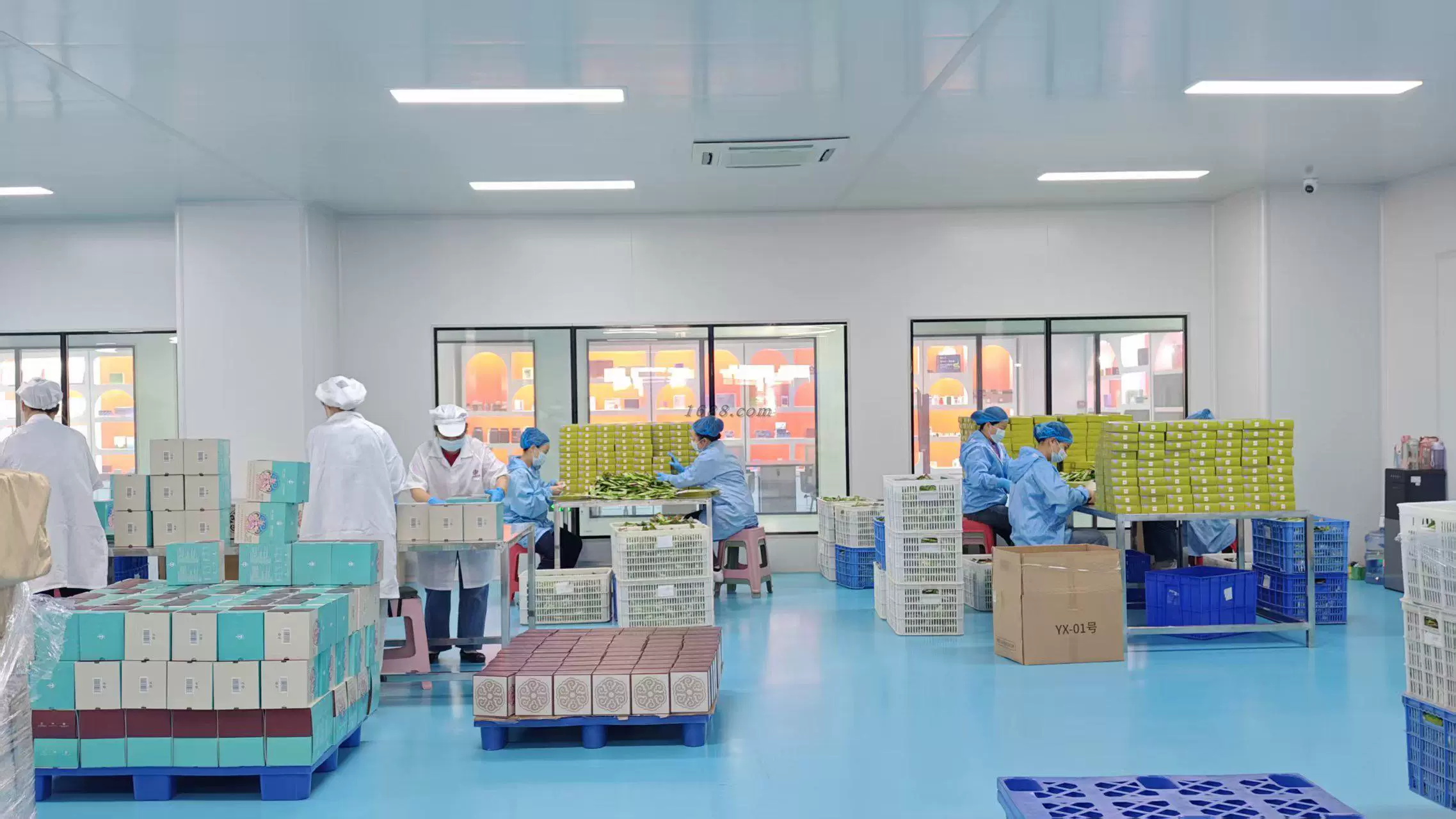
First is sugar level, which is both substrate and osmotic driver: too high and the culture stalls, too low and fermentation lacks vigour and the flavour is thin, so a range should be set for the specific culture and measured before inoculation. Second is temperature, which governs both speed and metabolic route; a given organism acidifies slowly but finely at low temperature and quickly at high temperature while producing less welcome by-products, and temperature needs continuous logging rather than a start value only. Third is pH and total acidity, the core indicators of progress; a target acidity is set and cooling or the next step begins as soon as it is reached, whereas judging the endpoint by elapsed time is unreliable. Fourth is dissolved oxygen, since aerobic and anaerobic cultures have opposite needs and headspace, agitation and aeration must match the organism. Fifth is hygiene, because a nutrient-rich fermentation is hard to rescue once contaminated, so cleaning and disinfection validation for vessels, piping and valves must be substantive.
4. Finishing determines shelf-life behaviour
Four actions follow fermentation. Separation removes cells and coarse material, usually by filtration or centrifugation, with the degree of clarity affecting both appearance and mouthfeel; over-clarifying leaves the product thin. Adjustment covers acid, sugar, salt and flavour correction, bearing in mind that in an already acidic system some sweeteners and hydrocolloids behave differently than at neutral pH, so bench trials must use the real matrix. Inactivation or sterilisation follows, and where heat is used the intensity must be checked against flavour impact, typically favouring high temperature for a short time to balance kill step and aroma retention, while filtration-based sterilisation requires validation of the filter's retention of target organisms. Stabilisation comes last, and in fermented systems instability usually appears as continued gas formation or as protein-polyphenol complexation forming sediment, addressed with refrigeration, pasteurisation combined with a preservative system, or ionic strength adjustment.
5. Three risks that deserve particular attention
The first is continued fermentation in the bottle leading to swelling and bursting. For bottled products especially, complete inactivation is only part of it: filling temperature, headspace oxygen and bottle pressure resistance all need assessment, and carbonated variants require dedicated pressure testing. The second is sensory drift, because esters hydrolyse and acidity continues to shift slowly during storage; stability programmes therefore need sensory evaluation alongside physical and chemical testing, using a fixed, trained panel. The third is labelling and claims, where wording around the fermentation process, culture names and live counts varies widely in permissiveness between markets, and live count claims must state clearly whether the figure refers to release or to end of shelf life to avoid compliance exposure.
6. Assessing whether a product can be manufactured
Three questions are worth answering before development. First, which type is the product, inactivated, live culture or filtered sterile, since that determines every technical decision downstream. Second, what are the sugar, acid, protein and polyphenol levels in the formula, because they largely determine whether the system will separate or keep fermenting. Third, can the channel's storage and logistics meet the product's storage requirement? If only ambient distribution is possible, the formula and sterilisation process need a larger safety margin. Answering these three before sampling is what makes sampling meaningful, otherwise the classic outcome follows: promising flavour in the laboratory, a completely different product once scaled.
Related Products
Milk Thistle, Kudzu & Turmeric Beverage with Sea Buckthorn Puree & Honey | Herbal Oral Liquid OEM | Liquid Fruit & Vegetable Salad Fiber Drink | Dietary Fiber Meal Replacement Vegetable Juice Beverage OEM
About Guangzhou Mesen Health Biotechnology Co., Ltd
Guangzhou Mesen Health Biotechnology Co., Ltd is located in the Huashan Science and Technology Park, Huadu District, Guangzhou. The company has focused on OEM and ODM services for the big health industry for nearly 20 years, operating dedicated research, production, sales and management centres, and maintaining long-term strategic partnerships with well-known Chinese medicine colleges and research institutions. Capabilities span pressed candy, gummies, capsules, solid beverages, herbal teas, plant beverages, protein powders, dietary supplements and enzyme jelly - from formulation development through contract manufacturing. For details on minimum order quantities, sampling lead times and quotations, see our manufacturing advantages and product range, or contact us for a tailored proposal.
Further Reading