
Protein Powder OEM: Allergen Control, Labelling and Cross-Contact
Protein powder is the most allergen-dense category in the supplement industry. Whey comes from milk, soy protein from soybeans, and many formulas add nuts, peanut, sesame or gluten-containing grains. In protein powder contract manufacturing, allergen management is not optional; it has to be handled head-on from order intake to delivery. Customers usually raise two concerns: the labelling regulations of their export markets, and whether running several products on one line will introduce ingredients that should not be there. The factory response has to be more concrete - how materials are controlled, how changeover cleaning is done, how claims are decided and how changes are assessed. This article addresses each.
1. Build a real allergen inventory
The first step is listing allergen sources for every formula, ingredient by ingredient, rather than stating broadly that a product contains dairy. Work down to the raw material level: which allergens each protein source carries, whether excipients contain soy lecithin, whether a maltodextrin is derived from wheat starch, whether flavour and colour carriers contain relevant components, and what makes up each component of a compound ingredient. Tedious as it is, this inventory underpins every later judgement. It also needs checking against the allergen definitions of each target market, because the lists of allergens requiring declaration differ between jurisdictions and the same product may need different wording in different markets. Update the inventory in step with any formula or material change and keep version records.
2. Preventing cross-contact on shared lines
A protein powder plant typically runs several products on one line, and cross-contact arrives through four routes: equipment residue, shared tools and containers, airborne dust, and operator practice. Controls are layered. At equipment level, specify designs that come apart for cleaning and reduce unreachable dead spots, with defined cleaning procedures for pipework, blenders, hoppers and screw conveyors. At tool level, use colour coding or dedicated containers per area rather than sharing. At environment level, dust control is decisive, because protein dust travels well; fit local extraction at charging and discharge points and organise airflow so dust from one area does not migrate into another. At operator level, change clothing and gloves at changeover and sequence production deliberately, normally running allergen-free products before allergen-containing ones to reduce reverse contamination.
3. Changeover cleaning and how to validate it
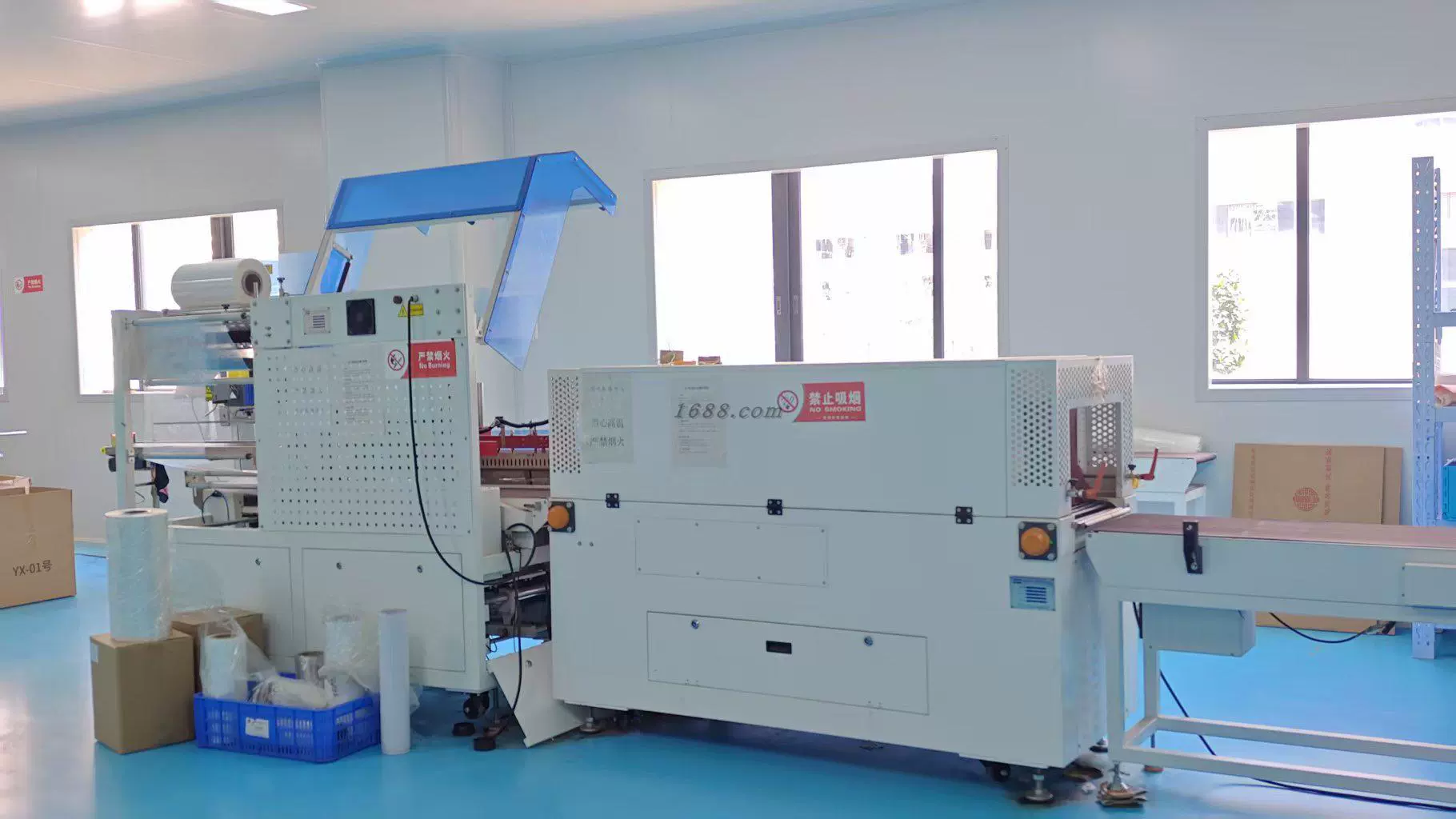
Changeover cleaning is the central activity on a shared line. A complete changeover covers internal residue removal, pipe flushing or dry cleaning, replacement of tools and containers, cleaning of floors and benches, prompt removal of waste from the room, and visual confirmation afterwards. The critical point is that cleaning must be verified, otherwise clean is only an appearance. Two verification routes exist. One is specific detection of the target residue, such as immunoassay for milk or soy protein, against a defined acceptance limit. The other, given that routine testing is expensive, combines visual assessment with periodic rather than per-batch specific verification. Either way, document a cleaning validation protocol stating sampling points, sampling method, limit justification and acceptance rules. Sampling points must include the hardest locations - agitator roots, discharge ports, pipe elbows.
4. Deciding the label claim
Allergen information on a label falls into two situations. Where the formula genuinely contains an allergen, it must be declared, whether in the ingredient list or an allergen statement. Where the product does not contain it but is made on a line that also runs allergen-containing products, so that unavoidable cross-contact is possible, the need for a may-contain statement must be judged from regulatory requirements, cleaning validation results and actual risk. A caution is warranted here: overusing may-contain statements dilutes the credibility of the label and can reduce acceptance in some markets, while omitting a required statement can be a compliance breach. Judgements should rest on validation data, not blanket caution. For export products, check the language, ordering and wording conventions of the destination market instead of reusing a domestic template.
5. Supply chain changes have wide consequences
Allergen risk most often arrives through change. A supplier moves production to a different line, a processing aid in a protein ingredient is altered, a compound ingredient is tweaked, or a factory takes on a new customer product. Any of these can introduce a new allergen or invalidate an earlier assessment. Allergen information therefore belongs in the mandatory content of supplier agreements, requiring notification before changes and updated composition and allergen declarations. Internally, build a change assessment step in which any change to materials or lines answers three questions: does it introduce a new allergen, does it change the cross-contact risk level, and does it require updated labels and verification protocols. Answering first costs far less than correcting later.
6. Keep the system auditable
Factories that manage allergens well share one characteristic: an auditor can pick any product at random and receive a complete allergen inventory, changeover validation records, label version and supplier declarations within minutes. That comes from turning the above into standard templates and keeping them current, not from tidying up on request. An annual review is worth running as well, feeding in market feedback and regulatory updates to see what needs adjusting. Customers in the protein category generally have high compliance expectations, and a solid system is itself the foundation for winning more of that business.
There is no shortcut. Clear inventory, thorough changeover, genuine validation, careful claims and controlled change are what allow a plant to run multiple protein sources side by side with confidence.
Related Products
Whey Protein Isolate with Vitamin B6 & B12 and Yeast Protein | Fitness Supplement OEM/ODM Source Manufacturer | Whey Protein Powder | Sports Nutrition Dietary Supplement Custom OEM
About Guangzhou Mesen Health Biotechnology Co., Ltd
Guangzhou Mesen Health Biotechnology Co., Ltd is located in the Huashan Science and Technology Park, Huadu District, Guangzhou. The company has focused on OEM and ODM services for the big health industry for nearly 20 years, operating dedicated research, production, sales and management centres, and maintaining long-term strategic partnerships with well-known Chinese medicine colleges and research institutions. Capabilities span pressed candy, gummies, capsules, solid beverages, herbal teas, plant beverages, protein powders, dietary supplements and enzyme jelly - from formulation development through contract manufacturing. For details on minimum order quantities, sampling lead times and quotations, see our manufacturing advantages and product range, or contact us for a tailored proposal.
Further Reading




