Capsule OEM Packaging: Bottles, Blisters, Desiccants and Moisture Control
Whether a capsule goes into a bottle or a blister looks like a packaging preference, but it decides how the product behaves across its shelf life. The fill is a powder or granule and the shell itself is hydrophilic: pick up moisture and the capsules soften and stick, lose moisture and they become brittle and crack. Both directions affect disintegration and fill weight. In capsule contract manufacturing, the pack decision belongs before the stability study, because the packaging is part of the shelf-life data and changing it later usually means re-validating. This article covers moisture behaviour, bottle selection, blister structures, desiccant use, storage and transport, and stability verification.
Why capsules are moisture sensitive
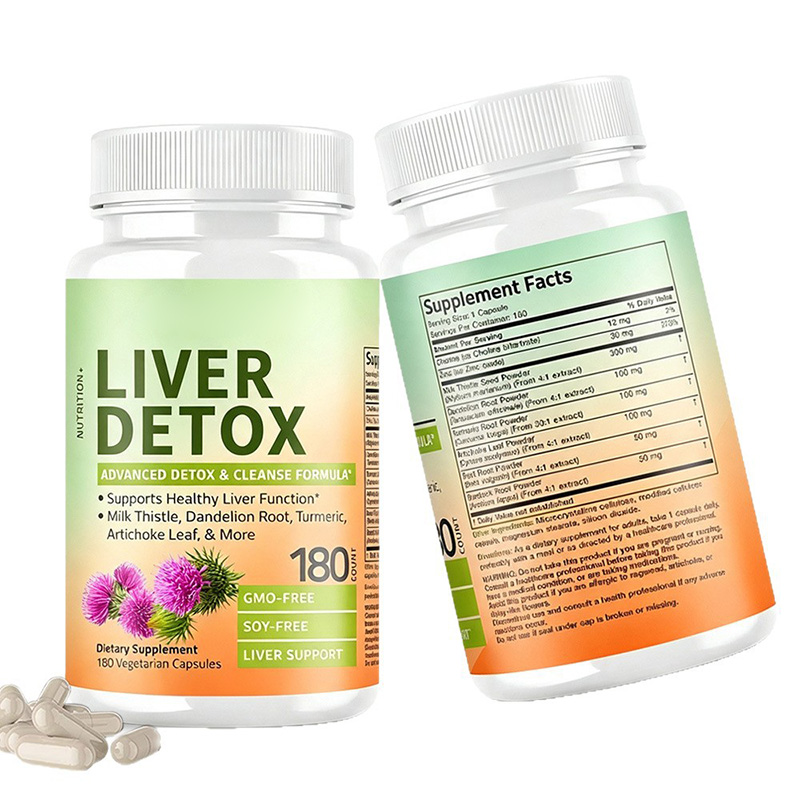
A gelatine shell typically holds 13 to 16 percent water, which acts as a plasticiser and keeps the capsule tough. In humid air the shell absorbs water, turns tacky and sticks to neighbouring capsules or the bottle wall, and the powder inside may cake. In dry air the reverse migration leaves the shell shrunken and brittle, so even mild vibration produces cracks or dents. HPMC shells sit at a lower equilibrium moisture and tolerate dry conditions better, but they still absorb water and the barrier requirement does not go away. Judge risk by the relative humidity inside the pack over time, not by a spot reading in the warehouse.
Bottles: material, sealing and fill level
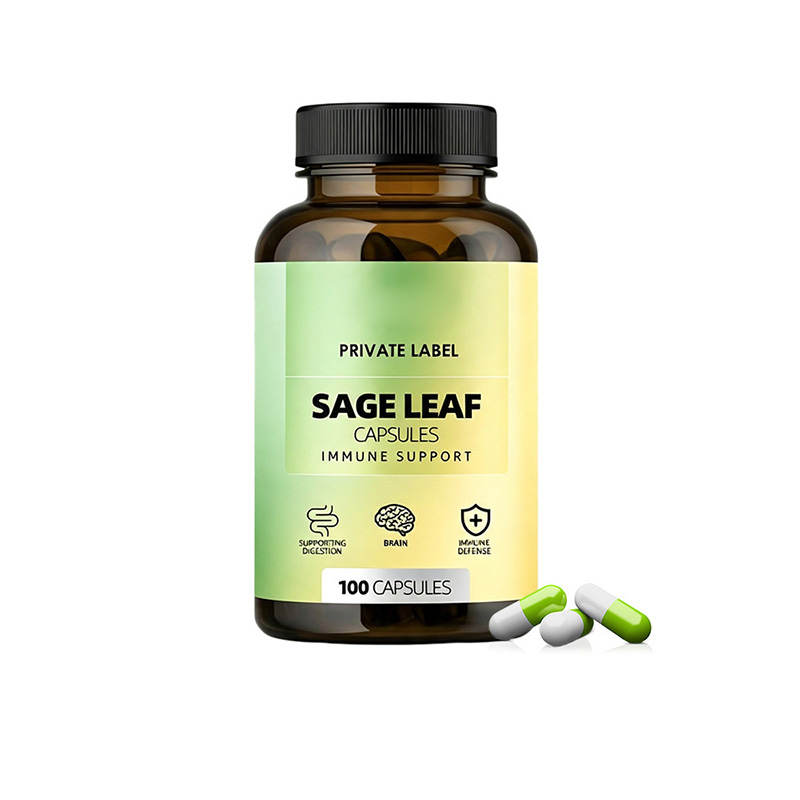
Bottles are the highest-volume, most cost-controlled option and four points matter. First, material: high-density polyethylene gives decent moisture barrier but modest oxygen barrier, polyester adds clarity and oxygen resistance, and glass is essentially impermeable to moisture but heavy and breakable. Second, sealing: an induction foil seal under a screw cap provides a reliable initial seal, whereas a press-in cap alone can work loose after transport vibration. Third, fill level: too much headspace lets capsules strike each other and abrade the shell surface, so a fuller fill is usually better, with shoulder cushioning where needed. Fourth, labelling and tamper evidence, including child-resistant formats, should be settled at the same stage.
Blister and alu-alu barrier trade-offs
Blisters suit unit-dose, portable formats and come as PVC-aluminium, alu-alu and carded designs. A PVC or PVDC forming film with aluminium lidding is inexpensive but offers limited moisture barrier, which is a poor match for moisture-sensitive capsules; PVDC or cold-formed alu-alu gives clearly better moisture and light protection at higher cost. Forming depth must match the capsule: too shallow crushes the shell, too deep leaves the capsule rattling through transport. Sealing temperature, pressure and dwell are the three parameters behind seal integrity, and they should be confirmed with seal strength and dye penetration testing rather than judged by eye.
Desiccants and the headspace environment
A desiccant pulls headspace humidity into the capsule's comfort zone, but the quantity should not be guessed. The sound approach is to measure the capsule's moisture sorption isotherm, estimate the water vapour entering through the packaging over shelf life, then back-calculate desiccant quantity from its capacity with a safety margin. Silica gel offers high capacity and indicator types show status, which suits most products; molecular sieve performs better in the low-humidity range and suits hot, humid markets. The desiccant must also be inert towards the contents, and the seal must be sound - otherwise it saturates quickly and becomes a moisture source itself.
Storage and transport
Once packaging is fixed, storage and transport still move the result. Warehouses need controlled temperature and relative humidity with continuous records so finished goods are not left exposed through the rainy season, and stack heights must respect the compression strength of the pack, since excessive stacking deforms lower bottles and loads the capsules inside. In transport, container conditions on summer routes can far exceed warehouse conditions, so for hot and humid destinations assess whether an extra barrier layer or a higher desiccant charge is needed. After unloading, sample for shell appearance, sticking and disintegration to confirm the journey introduced no extra risk before releasing to store.
Stability verification and common mistakes
A packaging change requires re-validation. The standard approach runs accelerated and long-term storage in parallel, covering appearance and sticking, shell moisture, disintegration time, fill weight variation and microbiology. Samples must sit in the actual pack configuration, not a sealed bag standing in for it, or the data will not represent the real shelf environment. Three mistakes recur: switching from bottle to blister without repeating stability; copying a competitor's desiccant quantity instead of using your own sorption data; and declaring success on accelerated data alone while ignoring extreme storage and transport. Design the pack as part of the product and shelf life becomes predictable.
Capsule packaging is fundamentally moisture management: characterise the shell's sorption behaviour and the target shelf life, choose a bottle or blister by barrier performance, use a desiccant to hold headspace humidity, then validate in the real pack. Do all three and the capsule reaches end of shelf life with an intact shell and consistent disintegration. For a contract project, that data set is also what customers and export registrations usually ask for.
Related Products
Vitamin D3 K2 with Magnesium & Zinc Softgels | VITAMIN D3+K2 MAGNESIUM+ZINC Softgels OEM | Calcium + Magnesium + Zinc + Vitamin D3 Softgels | CALCIUM+MAGNESIUM+ZINC D3 Softgel OEM
About Guangzhou Mesen Health Biotechnology Co., Ltd
Guangzhou Mesen Health Biotechnology Co., Ltd is located in the Huashan Science and Technology Park, Huadu District, Guangzhou. The company has focused on OEM and ODM services for the big health industry for nearly 20 years, operating dedicated research, production, sales and management centres, and maintaining long-term strategic partnerships with well-known Chinese medicine colleges and research institutions. Capabilities span pressed candy, gummies, capsules, solid beverages, herbal teas, plant beverages, protein powders, dietary supplements and enzyme jelly - from formulation development through contract manufacturing. For details on minimum order quantities, sampling lead times and quotations, see our manufacturing advantages and product range, or contact us for a tailored proposal.
Further Reading