
Microbial Control in Capsule OEM: Materials, Hygiene and Release
Hard capsules look clean and tidy, which tempts people to assume microbial risk is low. Low moisture only stops organisms multiplying; it does not remove them. Powder raw materials arrive with an initial bioburden, the plant environment and operators add secondary contamination, and packaging plus storage can move moisture into the product, all of which can push a finished batch over the limit at release. Once capsules fail microbiologically the options are narrow: irradiation changes labelling and market acceptance, dry heat makes shells brittle. Control therefore has to move upstream. In capsule contract manufacturing, raw materials, plant hygiene, equipment and release have to be designed as one system. This article covers risk sources, incoming limits, hygiene, environmental monitoring, sterilisation limits and release decisions.

Where the risk actually comes from
Capsule risk splits into four sources. The first is the raw material itself, particularly botanical extracts, food-medicine powders, fermented ingredients and natural colours, all of which meet soil, water and air during production and carry far higher counts than synthetic excipients. The second is the plant environment: airborne organisms, residues on equipment surfaces and cross-contamination carried by people and goods. The third is operator technique, where hands, garments and breath are the main secondary routes. The fourth is packaging and storage - shells and packaging components can carry their own load, and a poor seal lets the product pick up moisture, raising water activity and creating conditions for growth. Separating the sources is what allows targeted controls instead of a vague instruction to wash hands.
Tiered limits on incoming material
Raw material control should be risk-tiered, not uniform. High-risk materials - untreated botanical powders, extracts and fermentation products - should be tested lot by lot for total counts, yeast and mould, and coliforms, with irradiation or steam sterilisation certificates requested where relevant. Medium-risk materials such as certain fillers and excipients can be sampled according to supplier history. Low-risk mineral excipients need lighter management. The limits must be written down along with sample plans and rejection rules: sampling has to be representative rather than surface-only, out-of-spec lots should be returned or diverted rather than solved inside the plant, and supplier certificates should be compared with your own results so that consistently deviating suppliers are downgraded or replaced.
Plant hygiene and people
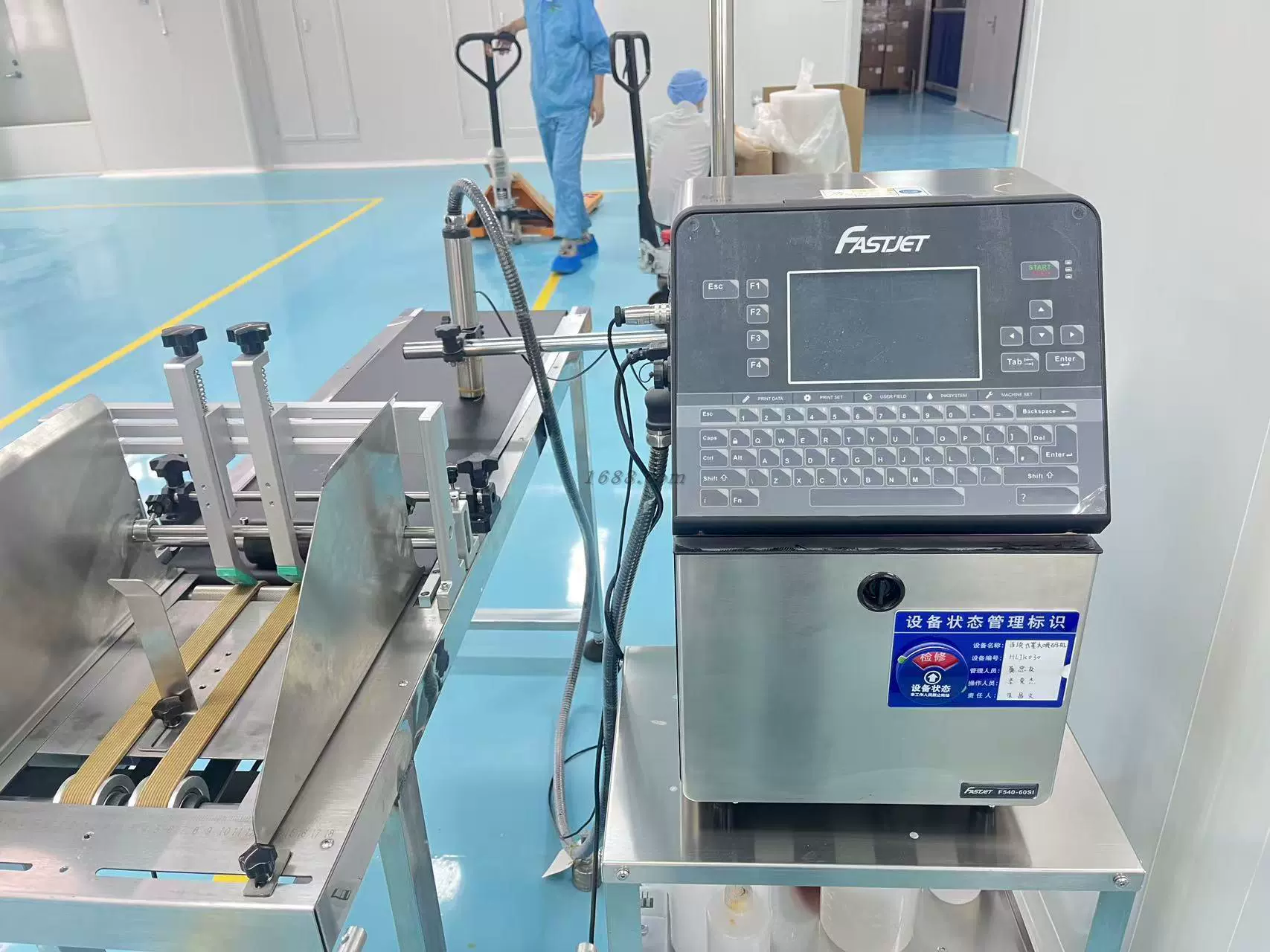
Use zoning in the capsule filling area. Filling and primary packing should sit in a relatively segregated zone, separated from raw material staging and secondary packing by differential pressure and physical barriers. Temperature and humidity need control: high humidity softens shells and raises microbial risk. On the people side, entry involves changing garments and shoes, hair covering and hand sanitising, and the frequency and laundering of garments should be specified. The trigger for sanitising matters more than the count: hands should be re-sanitised after touching raw material, after touching the floor, after leaving and re-entering the zone, and after sneezing or handling hair. Utensils and containers should be dedicated and separated by use, never shared across wet and dry or raw and finished duties. These requirements only bite when they are written into work instructions and someone checks them.
Equipment cleaning and environmental monitoring
Equipment is where residues accumulate and organisms take hold. The dosing disc, tamping pins, powder hopper and vacuum lines of a filling machine collect fine powder; without strip-down cleaning, hardened deposits form in dead corners, and those deposits are both a foreign body source and a microbial reservoir. Clean surfaces per shift, strip down weekly or at every product change, inspect dead corners afterwards and record it. Environmental monitoring needs fixed sites and frequencies. Settle plates belong near critical stations, active air samples in operator activity zones, and surface swabs on equipment contact surfaces, benches, utensils and hands, with temperature, humidity and pressure differentials recorded alongside. The data is not for the file: set trend lines, and when a site runs high twice in a row, clean and re-check the process before it exceeds a limit.

Where sterilisation stops being the answer
Terminal sterilisation is not a universal fix for capsules. Irradiation is effective but must meet regulatory requirements and be assessed for labelling implications. Dry heat measurably increases shell brittleness, particularly for gelatin. Steam and moist heat are essentially unusable on a finished capsule. The more realistic path is to place controls in raw material pretreatment and plant environment. Raw materials can be steam-sterilised and dried, or treated with microwave or electron beam, provided the effect on actives and colour is assessed. Where a material cannot be sterilised, supplier selection and process discipline must bring the incoming count down. Sterilisation reduces a count; it does not cover for weak hygiene and weak material management, and relying on it as a backstop is the most expensive and least stable option available.
Release testing and deviation handling
Release testing normally covers total plate count, yeast and mould, and coliforms, with specific pathogens added for some products alongside moisture, fill weight and appearance. Define sample numbers and what constitutes a lot, so that samples from different lots are never pooled. When a result exceeds the limit, work back in three steps: recheck the test process and sample condition to rule out sampling or handling error; then locate the cause through raw material lots, environmental data and cleaning records; finally decide whether this is an isolated deviation or a systemic gap. Distinguish the conditions for rework from those requiring destruction, and keep full records. Feed each root cause into the improvement list so the next batch does not repeat it.
Microbial control in capsules is a loop of raw materials, plant, equipment and release, not a single measure. Bring materials in against risk-tiered limits, hold humidity and people management in the plant, strip down equipment on schedule and record it, and keep release criteria transparent and traceable. Those same records are the most direct evidence you can present in a customer audit or an export inspection.
Related Products
Vitamin D3 K2 with Magnesium & Zinc Softgels | VITAMIN D3+K2 MAGNESIUM+ZINC Softgels OEM | Calcium + Magnesium + Zinc + Vitamin D3 Softgels | CALCIUM+MAGNESIUM+ZINC D3 Softgel OEM
About Guangzhou Mesen Health Biotechnology Co., Ltd
Guangzhou Mesen Health Biotechnology Co., Ltd is located in the Huashan Science and Technology Park, Huadu District, Guangzhou. The company has focused on OEM and ODM services for the big health industry for nearly 20 years, operating dedicated research, production, sales and management centres, and maintaining long-term strategic partnerships with well-known Chinese medicine colleges and research institutions. Capabilities span pressed candy, gummies, capsules, solid beverages, herbal teas, plant beverages, protein powders, dietary supplements and enzyme jelly - from formulation development through contract manufacturing. For details on minimum order quantities, sampling lead times and quotations, see our manufacturing advantages and product range, or contact us for a tailored proposal.
Further Reading




