Packaging and Oxygen Control in Protein Powder OEM: Cans, Pouches
The biggest quality risk for protein powder is not microbiological - it is flavour staling. A freshly opened tub smells of milk or cocoa; a few months later it turns rancid, cardboardy, even bitter, and that change cannot be reversed. The chemistry usually starts with oxygen: lipids and residual fat oxidise, vitamins degrade, flavour compounds oxidise or migrate, and the result is a general slide in smell and taste. Cans and pouches take in oxygen by different routes, so the countermeasures differ too. In protein powder contract manufacturing, the packaging decision belongs alongside formula development, because barrier level decides whether the shelf life is achievable at all. This article covers staling chemistry, oxygen sources, can formats, pouch formats, barrier trade-offs and shelf-life validation.
Four chemical routes to staling
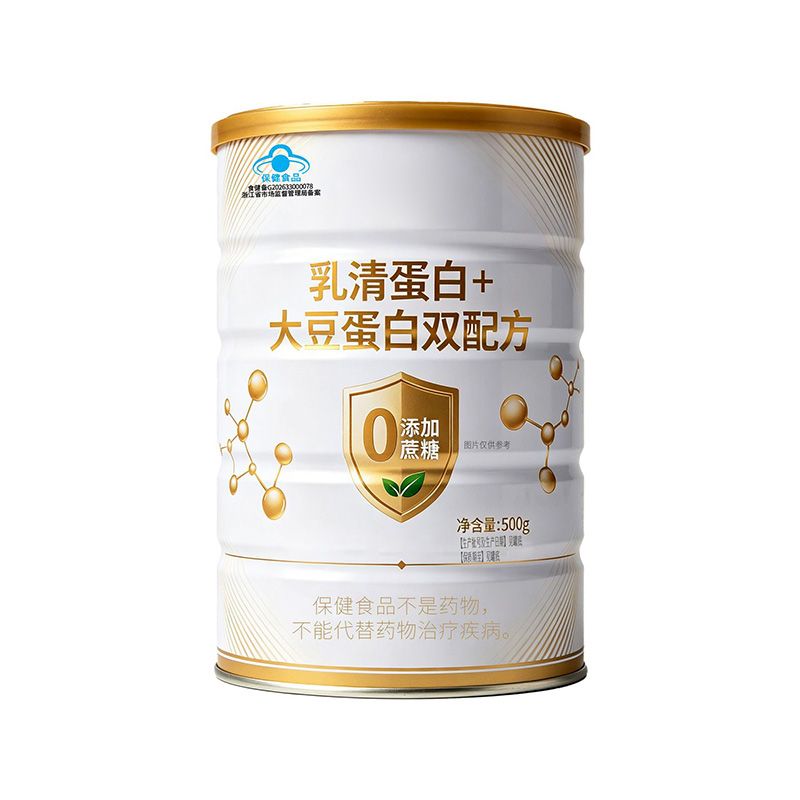
Protein powder staling runs along four paths. Lipid oxidation comes first: residual milk fat in whey, unsaturated fatty acids in plant proteins and any added oils oxidise into aldehydes and ketones that read as rancidity and green notes. Maillard and carbonyl-amine reactions come second, slowly browning protein and reducing sugars and generating cooked notes when water activity or storage temperature is elevated. Vitamin degradation is third, with vitamin C, the B group and polyunsaturated ingredients all sensitive to oxygen, light and heat. Flavour oxidation and migration is fourth, where aroma compounds are either oxidised into something else or absorbed by the packaging. All four share the same prerequisites - oxygen, moisture, light and heat - so controlling those four controls the rate.
Two sources of residual oxygen
Residual oxygen has to be split into headspace oxygen and absorbed oxygen. Headspace oxygen is what remains in the gas space inside the pack after sealing, largely air entrained during filling, and it can be reduced by nitrogen flushing before the seal. Absorbed oxygen sits on particle surfaces and inside pores; after filling it slowly desorbs into the headspace, so a pack measured at zero immediately after sealing can climb back up over time. That distinction matters: a single flush is often not enough. The pack needs either a continuous oxygen-scavenging mechanism or packaging with enough barrier to hold long-term levels down. When testing, measure headspace oxygen both immediately after sealing and after a period of storage. A large gap between the two points to absorbed oxygen being the dominant contributor.
Can formats
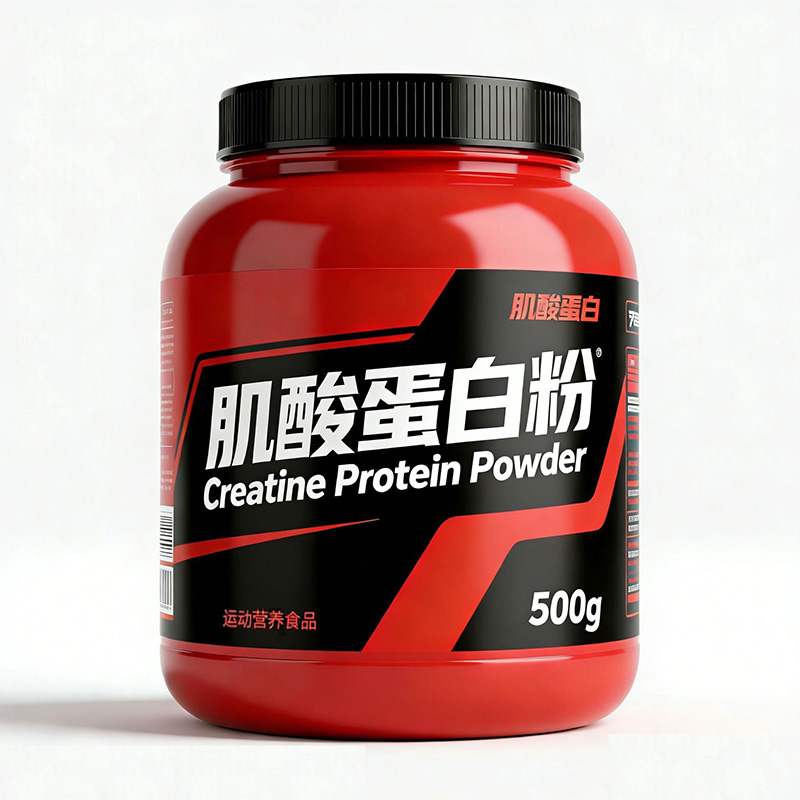
Cans offer rigid support, strong shelf presence and resealability after opening, which suits premium and household use. Tinplate and plastic are the two main options. Tinplate gives excellent barrier, essentially impermeable to oxygen and moisture, at higher cost and weight. Plastic cans are usually multilayer coextrusions whose barrier depends on the material and thickness of the barrier layer - moderate cost, but heavily dependent on the converter's process control. On oxygen control, the empty can can be flushed with nitrogen before filling, followed by a headspace sweep after filling and immediate sealing. Some products add a desiccant or oxygen scavenger inside, in which case confirm the working temperature range, absorption capacity, and that the sachet format cannot be accidentally consumed. Lid sealing is critical: threaded lids seal through a liner, and liner material and compression set determine long-term performance.
Pouch formats
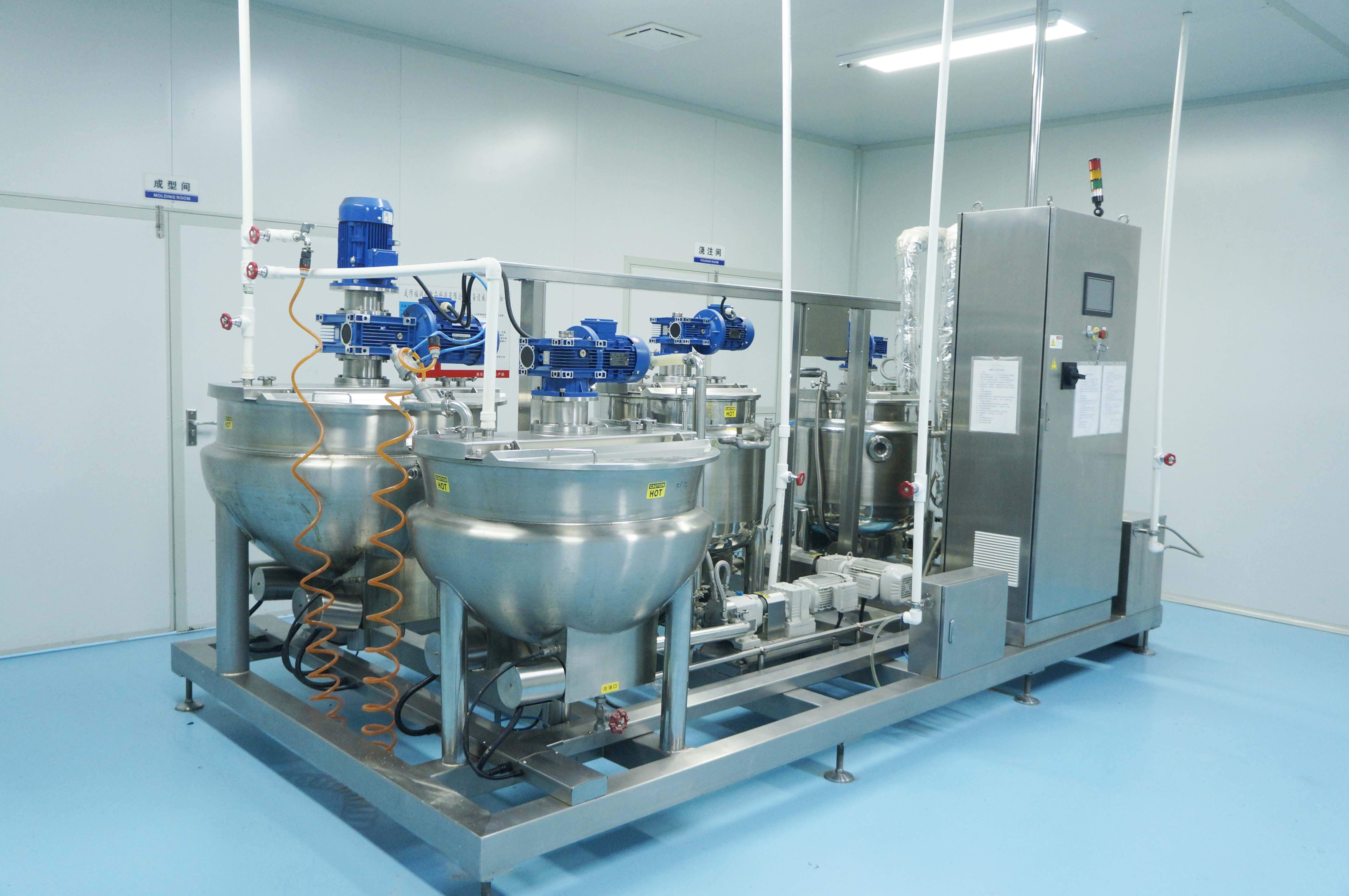
Pouches win on cost and transport efficiency, which suits bulk sizes and trade channels. Oxygen control lives in the laminate structure, typically an outer print layer, a middle barrier layer and an inner sealant layer, with metallised film or aluminium foil as the barrier. Foil delivers the best oxygen and moisture barrier but costs more and can develop pinholes at folds. Metallised film is cheaper and more flexible but weaker on barrier, and the coating can be damaged by stretching and bending. On format, four-side-seal and stand-up pouches differ in seam length and therefore in seal reliability; the bottom gusset of a stand-up pouch is a frequent leak point. Scavengers or nitrogen flushing can be used in pouches, but a scavenger sachet can rupture under compression, spilling powder into the product, so the structure needs to isolate it.
Barrier level and cost trade-offs
Barrier level should be derived from target shelf life, sales channel and storage conditions rather than maximised by default. The sequence is: set the target shelf life and expected storage temperature, then the acceptable oxygen and moisture transmission rates, then the structure that meets them, then the cost. Products sold at ambient temperature with long shelf lives that cross a hot season should default to high barrier. Chilled or short-life products can relax the requirement. Also consider in-use life after opening, because barrier performance stops mattering once the pack is open - from that point the consumer's habits and the formula's own oxidative resistance carry the load. Adding antioxidants or using light-protected packaging is therefore complementary to barrier, not a substitute. Compare two or three candidate structures with test data rather than deciding on the quotation alone.
Shelf-life evaluation
Once the pack is chosen, prove it works. Run accelerated and long-term studies in parallel: accelerated conditions compare structures and formulas quickly, long-term conditions confirm the real shelf life. Test headspace oxygen, moisture content and water activity, sensory attributes, and markers such as characteristic volatiles or peroxide value, while recording appearance and caking. Sensory evaluation needs a fixed protocol with trained assessors under consistent conditions, tracking rancidity, bitterness and overall acceptance over time. In-use life after opening is often skipped and should not be: simulate a consumer opening the pack and taking repeated servings, then measure how long quality holds under exposure. That data also feeds directly into the usage instructions on the label.
Shelf life for protein powder is not bought with a single measure. It is the match between the formula's oxidative resistance, the barrier of the packaging and the conditions in storage and transit. Separate headspace from absorbed oxygen, choose cans or pouches by scenario, set barrier level against target shelf life, then lock the conclusion down with accelerated and long-term data. Do this early and the product will not falter in the second half of its shelf life - which is where repeat orders come from.
Related Products
Whey Protein Isolate with Vitamin B6 & B12 and Yeast Protein | Fitness Supplement OEM/ODM Source Manufacturer | Whey Protein Powder | Sports Nutrition Dietary Supplement Custom OEM
About Guangzhou Mesen Health Biotechnology Co., Ltd
Guangzhou Mesen Health Biotechnology Co., Ltd is located in the Huashan Science and Technology Park, Huadu District, Guangzhou. The company has focused on OEM and ODM services for the big health industry for nearly 20 years, operating dedicated research, production, sales and management centres, and maintaining long-term strategic partnerships with well-known Chinese medicine colleges and research institutions. Capabilities span pressed candy, gummies, capsules, solid beverages, herbal teas, plant beverages, protein powders, dietary supplements and enzyme jelly - from formulation development through contract manufacturing. For details on minimum order quantities, sampling lead times and quotations, see our manufacturing advantages and product range, or contact us for a tailored proposal.
Further Reading