Cost Control in Herbal Tea OEM: Raw Material Grades and Blending
In an herbal tea quotation, raw material usually outweighs packaging and processing by a wide margin, which means cost work happens on ingredients rather than on the line. Herbal materials have a particular characteristic: the same plant from a different region, harvest season or plant part can differ several times in price, and sensory performance moves with it. The savings are real and so is the risk; the point is to make trade-offs inside a verifiable framework rather than simply buying cheaper. In herbal tea contract manufacturing, cost control means setting grade standards and holding a sensory floor. This article covers price gaps, part substitution, blend-down design, yield accounting, testing costs and quotation structure.
Where the price gaps come from
Price differences for the same material come from four sources. Origin first: climate and soil change active content, aroma intensity and impurity levels, and the gap between a recognised producing region and an ordinary one is usually the largest single factor. Season second: first flush and later lots differ in aroma fullness, colour and moisture, and seasonal versus aged stock is another wide gap. Grading third: whether material has been winnowed, colour sorted and de-stemmed directly affects usable yield and visual consistency, and higher grades give more clean material per kilogram. Processing method fourth: drying and roasting differences show up as flavour stability. Understanding these four dimensions lets you see where a low quote is low instead of only comparing totals.
How far part substitution can go
Substituting plant parts is the most common cost lever in herbal tea and the easiest to get wrong. Different parts of the same plant can have entirely different composition and flavour, and leaf, stem, root, flower and fruit each play a role. Two checks come first: whether the part is permitted as a food ingredient, and whether the sensory result is acceptable. Workable substitutions are usually partial rather than complete - a cheaper part carries filler and volume functions at a modest ratio while the core part continues to provide the main flavour. Fix the substitution ratio by sensory comparison, tasting graded replacement levels against the original until the flavour profile becomes detectably different. A frequent mistake is swapping on a weight-for-weight basis, ignoring that different parts infuse at different rates, which produces weak early flavour and a bitter tail.
Designing and validating the blend structure
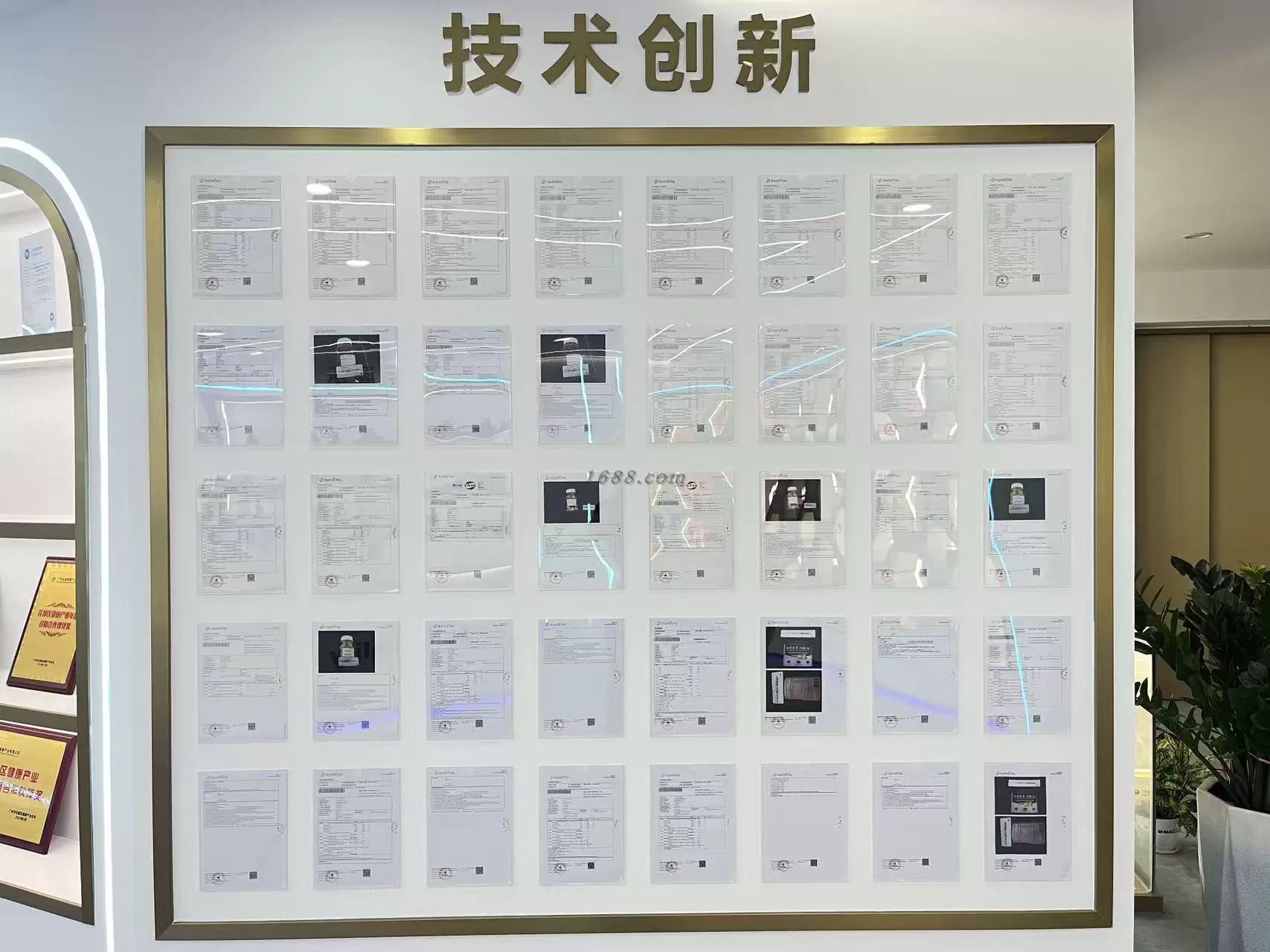
Blending is both a flavour tool and a cost tool. A sound structure is layered: the base material sets the flavour signature, supporting materials add fullness and body, modifying materials patch aroma or mouthfeel, and filler materials carry volume and cost. When reducing cost, take it out of the modifying and filler layers first and keep the base stable, so the flavour profile shifts as little as possible. For validation, keep a reference sample of the original formula and taste each revision against it, describing aroma intensity, bitterness, sweetness of finish and aftertaste. That is more reliable than impressions and gives you something to show the client. Note that blend-down is continuous: keep a substitution log of ratio and sensory conclusion, or the next formula generation repeats the same mistake.
Yield and losses, counted in full
Looking only at purchase price is the standard error. Material loses weight at several points between intake and finished pack: cleaning and sorting losses, moisture lost in drying or re-roasting, dust lost in milling and sieving, and ultrafine powder discarded at filling. Lower-grade material typically carries more impurities, higher moisture and more fines, so once converted to usable clean material its real cost may match or exceed the higher grade. Compare on cost per kilogram of usable material and include the labour cost of manual sorting. Run a full mass balance during a trial batch, recording every loss point - that data becomes the basis for every later negotiation.
The testing and compliance costs people forget
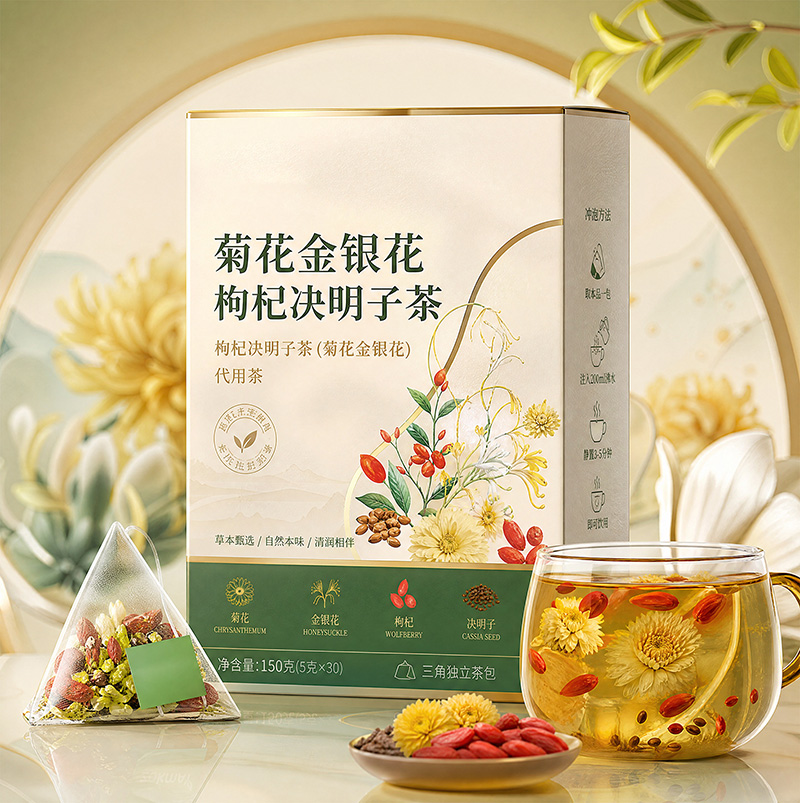
Cost decisions have to include testing. Herbal materials carry pesticide residue, heavy metal and mycotoxin risk, and the more dispersed the sourcing and the less transparent the origin, the more frequent and broader the sampling must be - and that expense lands in total cost. Changing origin or supplier normally requires a full panel to establish a new baseline, which is a recurring cost rather than a one-off. Product labelling is affected too: if a substituted material is declared differently in the ingredient list, packaging artwork has to be re-confirmed, and on small orders that change is not negligible. Price these in and you can tell whether a cost-down is truly saving money or just moving it between line items.
Reading the quotation
For the client, understanding structure beats beating down a unit price. A full herbal tea quotation covers raw material, packaging, processing, testing and loss allowance, with material largest and packaging next, while processing is relatively stable on standardised products. Discuss cost-down line by line, identify what can move through specification changes and what is fixed. Write sensory and testing standards into the same confirmation document, so you do not negotiate the price down and take the quality down with it, paying for it in the market instead. Good cost control is not the lowest price; it is the most economical route to a defined quality standard.
Herbal tea cost optimisation is constrained trade-offs across grade, plant part and blend. See where price gaps come from, hold part substitution inside verified ratios, control blend changes against a reference sample, compare on usable-material cost rather than purchase price, and fold testing and artwork-change costs into the total. Then cost-down is sustainable, and you will not discover at delivery that the savings fall far short of the loss from quality drift.
Related Products
Grape Oolong Fruit Tea Blend | Pyramid Tea Bags Herbal Wellness Tea Custom OEM | Corn Silk Herbal Tea | Wellness Herbal Tea Private Label OEM Manufacturer
About Guangzhou Mesen Health Biotechnology Co., Ltd
Guangzhou Mesen Health Biotechnology Co., Ltd is located in the Huashan Science and Technology Park, Huadu District, Guangzhou. The company has focused on OEM and ODM services for the big health industry for nearly 20 years, operating dedicated research, production, sales and management centres, and maintaining long-term strategic partnerships with well-known Chinese medicine colleges and research institutions. Capabilities span pressed candy, gummies, capsules, solid beverages, herbal teas, plant beverages, protein powders, dietary supplements and enzyme jelly - from formulation development through contract manufacturing. For details on minimum order quantities, sampling lead times and quotations, see our manufacturing advantages and product range, or contact us for a tailored proposal.
Further Reading