Fortifying Protein Powder in OEM: Vitamin Load, Flavour, Retention
Making a protein powder more nutritionally complete is a natural idea, and the logic is simple: if the user already drinks a shake a day, why not deliver the vitamins and minerals at the same time. The direction is sound, but anyone who has formulated one knows that protein powder is a hostile matrix for fortification. High protein content leaves little room for masking off-notes, the metallic and astringent character of minerals is amplified on a whey or plant protein base, and vitamins keep decaying through processing and storage. In protein powder OEM, the core task is holding dose, flavour and guaranteed content all inside an acceptable window.
Why fortification is harder than it looks
The difficulty comes from three directions. First, the matrix itself: protein typically makes up thirty to eighty percent of the powder, leaving little non-protein material available for flavouring and masking, so any off-note has nowhere to hide. Second, chemical reactivity: transition metal ions such as iron, copper and zinc catalyse lipid oxidation, turning the small amount of fat already in the ingredients into a distinct stale note, and that reaction continues while the powder sits in storage. Third, blending uniformity: vitamins and minerals are often dosed at a fraction of a percent or less, and distributing them evenly through several hundred kilograms demands attention to pre-blending, carriers and mixing time. Together these mean a fortified formula cannot simply be the original recipe with additions stacked on top.
Setting the dose
More is not better, and the dose is constrained from three sides at once. First, regulation and labelling: every nutrient has a reference value, and the relationship between the declared figure and the amount charged must follow the rules rather than being written freely. Second, intake per serving: calculate what each serving actually delivers based on the recommended use, so a large serving size does not push some nutrients beyond the intended range. Third, the flavour ceiling: above a certain concentration, minerals visibly change the palate, and that ceiling usually arrives well before the regulatory one. The practical order is to establish the ceiling from regulation and per-serving intake, then find by sensory work the level the flavour can tolerate, and finally settle on a value with margin between the two. For vitamins with clear decay, reserve overage as well - and overage is itself bounded by flavour and labelling.
The flavour cost of minerals
Minerals differ widely in what they cost you on flavour. Iron is the hardest: ferrous salts carry a distinct metallic astringency and catalyse oxidation, and even encapsulated forms can be exposed once the powder is mixed with water. Calcium solubility drives mouthfeel directly - calcium carbonate brings powderiness and astringency, and switching to a more soluble form improves that while introducing a new note. Zinc turns bitter at higher levels. Magnesium carries bitterness with a mild astringency. Potassium reads salty-bitter in concentrated form. Put several of these in one formula and the flavour problem compounds rather than simply adding up. The familiar routes are choosing low-odour source forms, keeping any single mineral concentration low and spreading it across ingredients, masking positively through the flavour system, and pushing the bitter finish down by rebalancing sweetness and acidity.
Vitamin stability and interactions
Vitamin stability in a powder varies considerably. Fat-soluble vitamins are relatively robust on their own but oxidise faster in the presence of minerals; some water-soluble vitamins are sensitive to light, heat and oxygen and lose part of their content during blending and packing. Harder still, vitamins and minerals interact: certain combinations accelerate each other's degradation, and others fail faster because the acid-base environment shifts. Compatibility trials therefore belong at formulation stage - make small samples with the planned vitamin and mineral doses, hold them under accelerated conditions, and watch colour, odour and content rather than waiting to see what the finished product does. It costs little time and prevents a rebuild.
Blending and uniformity
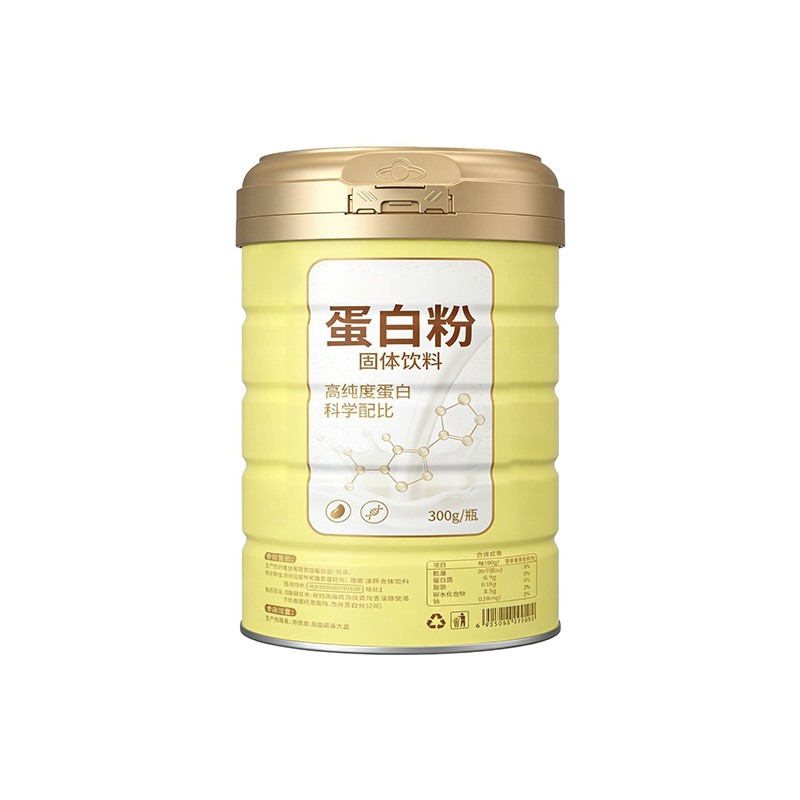
Whether trace components disperse evenly depends on process design. Charging them straight into the main blender usually fails, because the dose is too small: the material concentrates locally or clings to equipment walls through static. The standard route is pre-blending - take part of a carrier or part of the main material and dilute the micronutrients stepwise at sensible ratios, blending each step to uniformity before the next. Carriers should be compatible with the main material, close in particle size and free-flowing, since a size mismatch causes separation later. Mixing time needs verifying by sampling at multiple points, assaying content and calculating the relative standard deviation to confirm uniformity within the set time. On sequence, the pre-blend is normally added after the bulk material so it is not buried under a large load and left undispersed.
Guaranteed content and shelf life
The last question a fortified formula must answer is whether the figure on the label still holds at the end of shelf life. That needs data, not estimation. Run accelerated and long-term studies, assay the nutrients on schedule, plot the trends, identify those decaying fastest, and set overage from there. Fix the reporting basis early too - per serving or per hundred grams - and confirm the test method matches the basis behind the label, because both affect the conclusion. A fortified formula also places higher demands on packaging barrier: residual oxygen and moisture transmission directly affect vitamin stability, so can versus pouch and whether to flush with nitrogen both belong in the assessment.
Fortifying protein powder is a balance problem. Regulation and per-serving intake set the ceiling, sensory work defines the usable space, compatibility trials rule out combinations that will not survive, blend validation ensures every scoop is the same, and shelf-life data fixes the charge. Work through those five in order and a fortified formula has a real chance of still holding up after launch.
Related Products
Whey Protein Isolate with Vitamin B6 & B12 and Yeast Protein | Fitness Supplement OEM/ODM Source Manufacturer | Whey Protein Powder | Sports Nutrition Dietary Supplement Custom OEM
About Guangzhou Mesen Health Biotechnology Co., Ltd
Guangzhou Mesen Health Biotechnology Co., Ltd is located in the Huashan Science and Technology Park, Huadu District, Guangzhou. The company has focused on OEM and ODM services for the big health industry for nearly 20 years, operating dedicated research, production, sales and management centres, and maintaining long-term strategic partnerships with well-known Chinese medicine colleges and research institutions. Capabilities span pressed candy, gummies, capsules, solid beverages, herbal teas, plant beverages, protein powders, dietary supplements and enzyme jelly - from formulation development through contract manufacturing. For details on minimum order quantities, sampling lead times and quotations, see our manufacturing advantages and product range, or contact us for a tailored proposal.
Further Reading