Sampling and First-Article Acceptance for Nutraceutical OEM: A Ten-Point Inspection Checklist
Sampling is the stage most often rushed and the stage where problems get buried. A sample arrives, someone tastes it, glances at the appearance, decides it is close enough, and signs off into commercial production. Then the bulk run comes back with an off-profile taste, underage actives, powder leaking into the seal, or a shelf life that does not hold - by which point the money is spent and the goods are made. This article sets out an executable standard: a four-step approval process and ten mandatory inspection items.

1. Why the approval stage deserves the time
First-article approval is a commercial boundary. Before it, the cost of formulation changes, process adjustments and packaging revisions sits with the manufacturer. After it, those changes are yours. More importantly, approval locks three things at once - the formula, the process parameters and the packaging specification - and once locked, production has to reproduce them exactly.
Framed that way, the question is not whether the sample is good but whether the parameters behind it can be reproduced reliably. That reframing changes what you inspect: the product, and the data supporting it.
2. The four-step process
Step one is a signed-off brief. Before any sampling, put the requirement in writing: product positioning, target consumer, serving size, daily intake, expected taste and colour, budget range, launch timing and the compliance requirements that must be met. Done properly, this removes half the rework downstream.
Step two is sample evaluation against defined criteria rather than impression. Step three is parameter confirmation - ask for the process record and test report from the trial and check that the settings are sensible and repeatable. Step four is sealing reference samples: both parties retain a retained sample marked with date and batch, to serve as the comparison basis if quality is disputed after production.
3. Ten mandatory inspection items
The first five concern the product itself. One: sensory - colour, aroma, taste, form, foreign matter - checked item by item against the written brief. Two: format and fill - tablet weight, sachet weight, piece weight, net content - looking at average fill and deviation. Three: physicochemical indices appropriate to the format, such as moisture, pH and water activity. Four: target active content, the item most likely to be off and the one worth sending to a third-party laboratory. Five: microbiology - total plate count, coliforms, mould and yeast, pathogens.
The second five concern whether it can be produced. Six: content uniformity, measured as RSD across stratified samples, which determines whether each serving delivers a consistent dose. Seven: an early stability read under accelerated conditions. Eight: packaging compatibility - seal integrity, leakage, transit simulation. Nine: label compliance - ingredient list, nutrition panel, claim wording. Ten: completeness of the process parameter record, confirming that fill depth, blending time, sterilisation curve and the like are documented.

4. Weighting shifts by dosage form
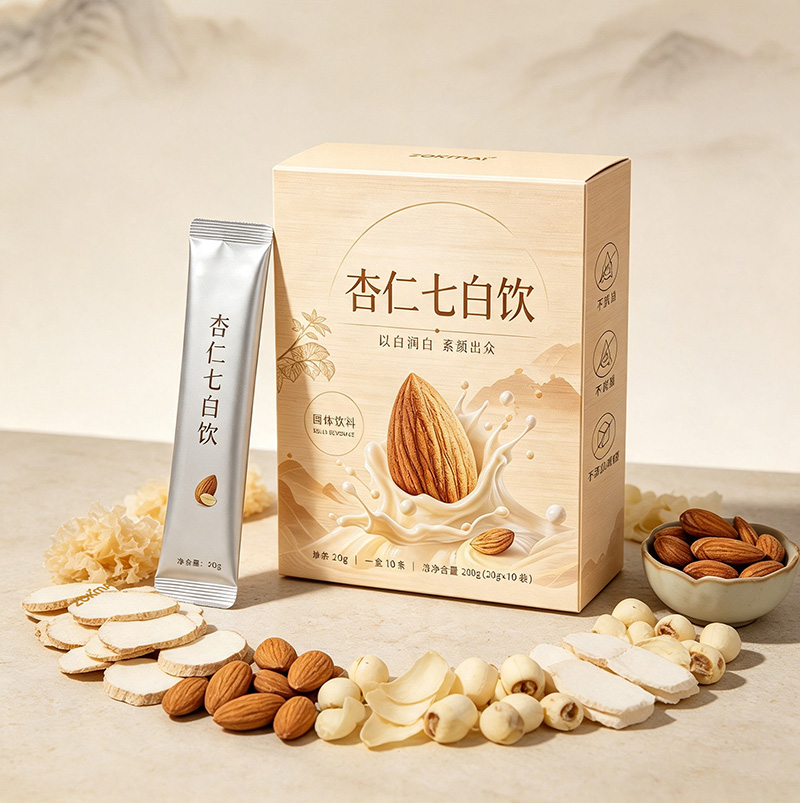
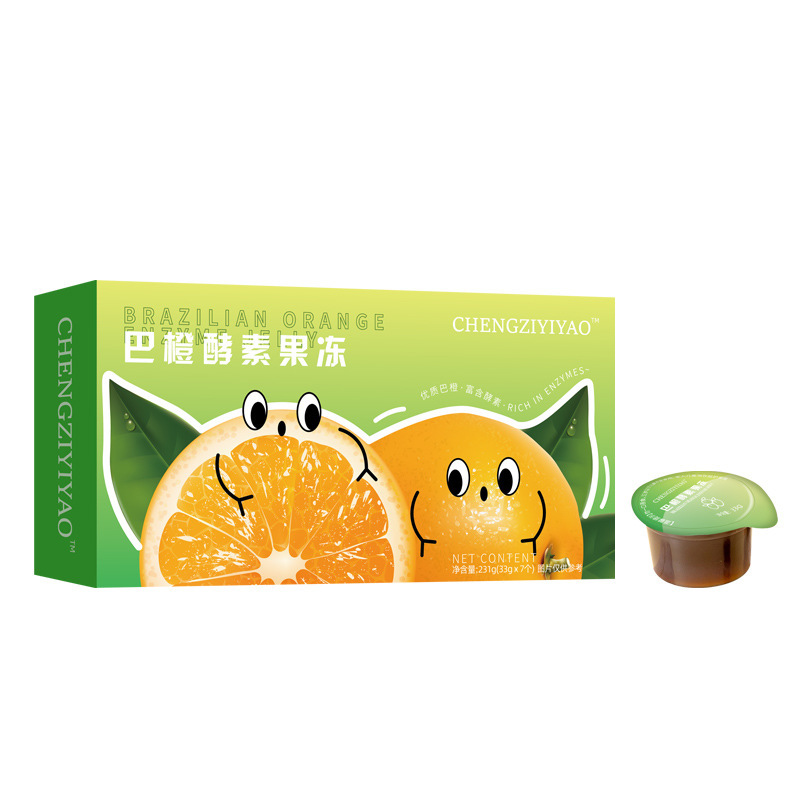
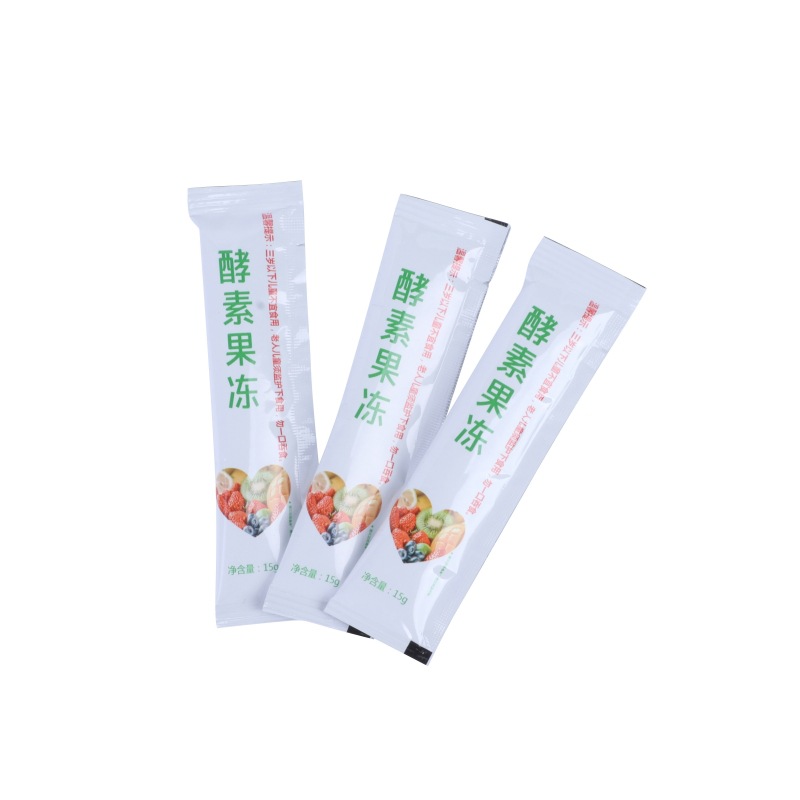
The ten items carry different weight depending on format. Pressed candy centres on weight variation, hardness, friability and disintegration. Gummies centre on moisture, water activity and per-piece weight deviation. Softgels on seal integrity, leakage and disintegration. Solid beverages on moisture, solubility and caking. Herbal tea on foreign matter, moisture and microbiology. Plant beverages on sediment, colour stability and sealing. Protein powder on blending uniformity and reconstitution. Oral liquids on fill volume, clarity and inspection pass rate. Enzyme jelly on gel strength, syneresis and microbiology.
Promote the relevant items to the top of the list for your format. In a professional OEM manufacturing relationship the factory will offer a format-specific acceptance sheet unprompted; a factory that cannot produce one is telling you something.
5. Three recurring disputes, and agreeing them in advance
Taste deviation is the first, because it is subjective and hard to quantify; the fix is to anchor the standard at brief stage with a reference sample or a precise written description. Content discrepancy is the second: agree that third-party results govern, and agree the decision rule. Colour variation is the third - agricultural raw materials vary in shade between lots, so an acceptable range needs to be defined.
All three are handled the same way: write the standard down and get both sides to sign it. Arguing afterwards about who was right achieves nothing; two hours spent up front saves two months of correspondence.

6. From sample to production: locking the parameters
Approval is not complete until the trial parameters are formally locked into the production process file. That means the formulation and charging sheet, the parameters at each step - granulation, compression, blending time, sterilisation curve - in-process control limits, finished product specifications, and the packaging format and material specification.
Both parties retain the file, and any change during production goes through a change-control process. Without it, "make it like the sample" depends on operator memory, and batch variation becomes unavoidable.
In nutraceutical OEM programmes, Guangzhou Mesen Health Biotechnology runs sampling approval, parameter locking and retained-sample sealing as a fixed three-part routine, issuing a first-article approval report and the full process parameter file with every project. For a brand owner, the completeness of that documentation is one of the most reliable indicators of whether a manufacturing partner can sustain a long-term relationship.
Related Products
Glycerol diester coffee OEM OEM OEM OEM OEM meal replacement coffee MCT live broadcast same solid beverage source manufacturer | GLP-1 Semaglutide Satiety & Fat Blocker Tablets | Custom Pressed Candy OEM Manufacturing
About Guangzhou Mesen Health Biotechnology Co., Ltd
Guangzhou Mesen Health Biotechnology Co., Ltd is located in the Huashan Science and Technology Park, Huadu District, Guangzhou. The company has focused on OEM and ODM services for the big health industry for nearly 20 years, operating dedicated research, production, sales and management centres, and maintaining long-term strategic partnerships with well-known Chinese medicine colleges and research institutions. Capabilities span pressed candy, gummies, capsules, solid beverages, herbal teas, plant beverages, protein powders, dietary supplements and enzyme jelly - from formulation development through contract manufacturing. For details on minimum order quantities, sampling lead times and quotations, see our manufacturing advantages and product range, or contact us for a tailored proposal.
Further Reading