Microbial Control and Preservation in Enzyme Jelly OEM: pH, Water Activity and Heat Treatment
Enzyme jelly has grown quickly, and it carries more microbial risk than the standard jelly format. Conventional jelly is held stable by three barriers - high sugar, low pH and heat treatment. Enzyme jelly adds fermented liquids, concentrated fruit and vegetable juices and dietary fibres, all of which bring a higher microbial load and often push pH upward, weakening the barriers the format normally relies on. Product that passes at release and then spoils in the pack is not an unusual outcome. This article sets out the microbial control logic for enzyme jelly manufacturing in terms of barrier design.
1. Hurdle technology: control is not a matter of adding more preservative
The established framework is hurdle technology. Rather than relying on one aggressive measure, several moderate barriers are stacked so that together they prevent growth. Enzyme jelly has four available: pH, water activity, heat treatment and packaging.
A common reflex when counts come back high is to add more preservative. That runs into the limits set by the additives standard and usually degrades flavour as well. The disciplined approach is to work out how many hurdles the formulation already has and how strong each one is, then decide which one needs reinforcing.
2. Hurdle one: pH
Most bacteria struggle below pH 4.6, the classic dividing line in food safety. Traditional jelly sits around pH 3.0-4.0 and is comfortable. Enzyme jelly, however, is often formulated for a softer taste profile, or uses a fermented base that is itself only mildly acidic, and pH can drift above 4.5 - where the risk rises sharply.
The practical recommendation is to fix the finished pH target below 4.2 at formulation stage rather than correcting acidity afterwards. Acidulant choice matters to flavour as well: citric gives a clean, sharp note and a pronounced bite, while malic reads softer and lifts fruit character. Measure pH after cooling, since temperature shifts the reading.
3. Hurdle two: water activity and the humectant system
Jelly typically sits at 0.85-0.95 aw, a high-moisture system where water activity alone cannot suppress growth - but small movements in aw change the preservative burden considerably. More humectant, sorbitol or glycerin, means lower aw and less microbial headroom; higher soluble solids have the same effect.
The tension is between taste and safety. Aiming for a light, low-sugar profile raises aw, which has to be compensated elsewhere. This is why many reduced-sugar jellies move to polyol systems paired with stricter heat treatment and better packaging. The sequence matters: measure aw first, then set the sterilisation parameters, not the other way round.
4. Hurdle three: choosing thermal intensity
Standard practice is a post-fill pasteurisation, commonly 85-90C in a water bath for 15-30 minutes, the exact combination depending on pH, pack size and how fast heat penetrates. Lower pH allows a milder process.
Over-processing brings a cluster of side effects: gel strength falls and the product synereses, colour darkens, cooked flavours develop, and functional components - particularly enzymes and probiotics in the fermented base - are destroyed. That is the central contradiction in this category: sterilisation intensity and an "active" positioning pull against each other. Workable answers include adding heat-sensitive components after the heat step, reformulating around a heat-stable system, or strengthening the packaging barrier to buy a gentler thermal process.
5. Hurdle four: packaging and sealing
Jelly comes in cups with heat-sealed lidding, stick packs with fin or three-side seals, and shaped pouches. Whichever format, seal integrity comes first: sealing temperature, pressure and dwell all need validation, and product residue in the seal area is the most common route to leakage and recontamination.
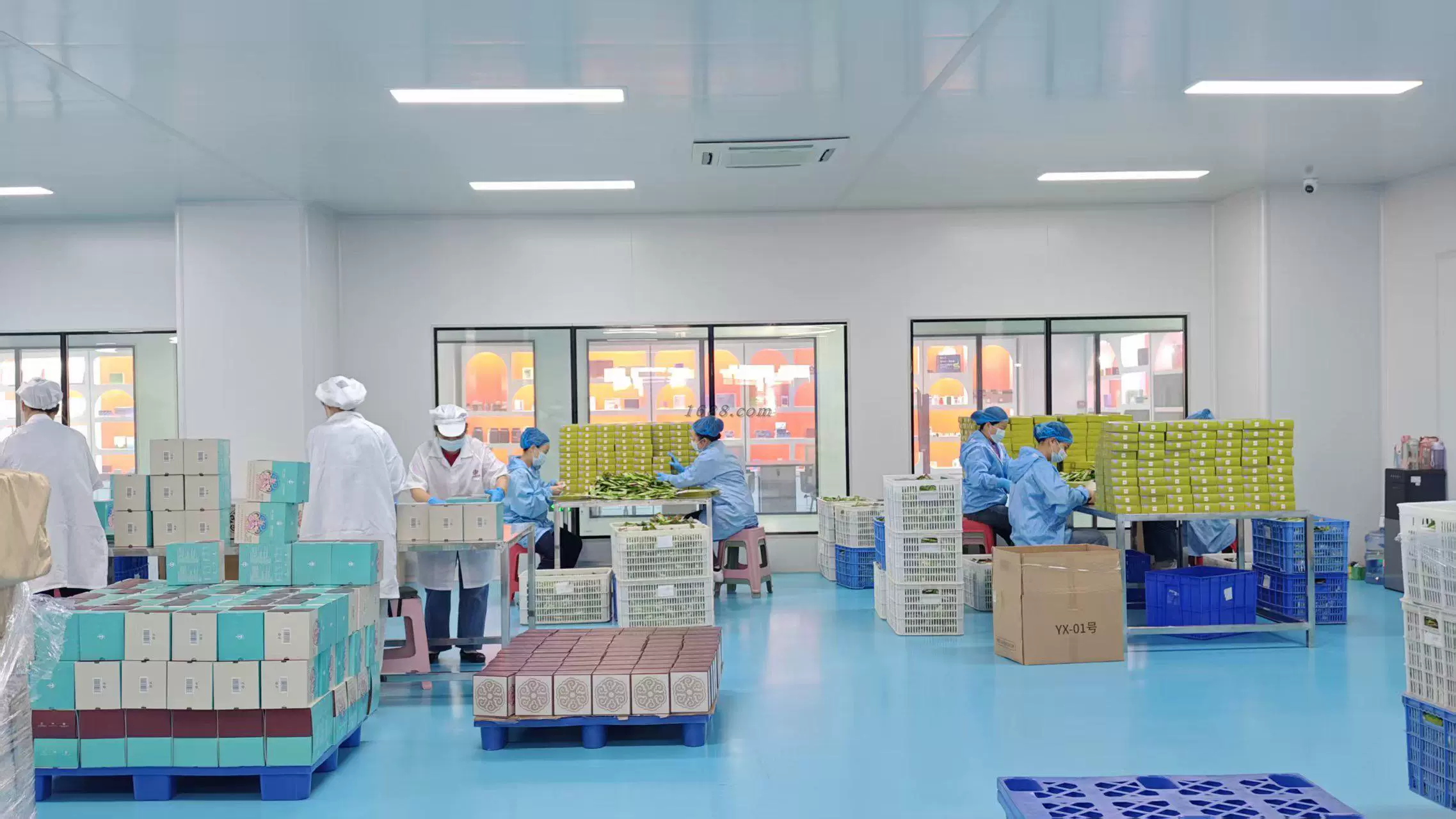
For ambient shelf life, barrier properties - oxygen and moisture transmission - matter as well. The filling environment belongs to this barrier too: air quality in the filling room, personnel hygiene, and the cleanliness of equipment surfaces that touch the packaging. A failure there defeats the other three hurdles no matter how well they are set.
6. Common contamination routes and how to validate
Ranked by frequency, the sources are: raw material load, fermented liquids and concentrated juices carrying high background counts; the filling environment, from incomplete equipment cleaning and dead legs in pipework; seal failure allowing post-process contamination; and insufficient or unevenly distributed heat treatment.
On validation, release testing for total plate count, coliforms, mould and yeast and pathogens is necessary but not sufficient. Shelf-life validation is also required: hold finished product at ambient and under accelerated conditions, commonly 37C, and test microbial counts, pH, water activity, gel structure and sensory at intervals. In enzyme jelly OEM programmes, batches that fail the accelerated hold very often fail at ambient two or three months later.
In enzyme jelly projects, Guangzhou Mesen Health Biotechnology designs all four hurdles together from the formulation stage and completes a microbial challenge validation at trial, locking pH, water activity and thermal parameters as a set. For brand owners that data determines whether the product can be sold consistently, far more than how the sample tasted on the day.
Related Products
Extra Strength Orange Enzyme Jelly with Prebiotics | Fruit-Flavored Cup Jelly Private Label OEM Manufacturer | Collagen Fruit & Vegetable Enzyme Jelly with Prebiotics | Custom Extra Strength Jelly OEM Factory
About Guangzhou Mesen Health Biotechnology Co., Ltd
Guangzhou Mesen Health Biotechnology Co., Ltd is located in the Huashan Science and Technology Park, Huadu District, Guangzhou. The company has focused on OEM and ODM services for the big health industry for nearly 20 years, operating dedicated research, production, sales and management centres, and maintaining long-term strategic partnerships with well-known Chinese medicine colleges and research institutions. Capabilities span pressed candy, gummies, capsules, solid beverages, herbal teas, plant beverages, protein powders, dietary supplements and enzyme jelly - from formulation development through contract manufacturing. For details on minimum order quantities, sampling lead times and quotations, see our manufacturing advantages and product range, or contact us for a tailored proposal.
Further Reading