Herbal Tea OEM Defect Troubleshooting: Pesticides, Mould, Colour and Extraction Yield
Herbal tea (medicinal-food and flower-fruit blends) looks simple to process and is actually the format most dependent on raw material and storage. Tablet problems show up in the machine; herbal tea problems show up in the incoming lot and the warehouse. This guide lists, from the herbal tea OEM receiving floor, the most common defects and how to chase them down.

1. Pesticides and heavy metals are gated at intake, not at exit
Herbal ingredients are mostly primary agricultural products, so pesticide and heavy-metal risk is higher than for highly processed inputs. The effective route is an approved-supplier list, a third-party report with every lot, and in-house batch sampling on banned pesticides and lead, cadmium, arsenic, mercury. Do not wait for full finished-goods testing - once over-limit material is cut and blended, it cannot be traced or separated. For long-term bases, do an annual base audit rather than only checking per-lot paperwork.
2. Mould and foreign matter: control moisture and cleanliness
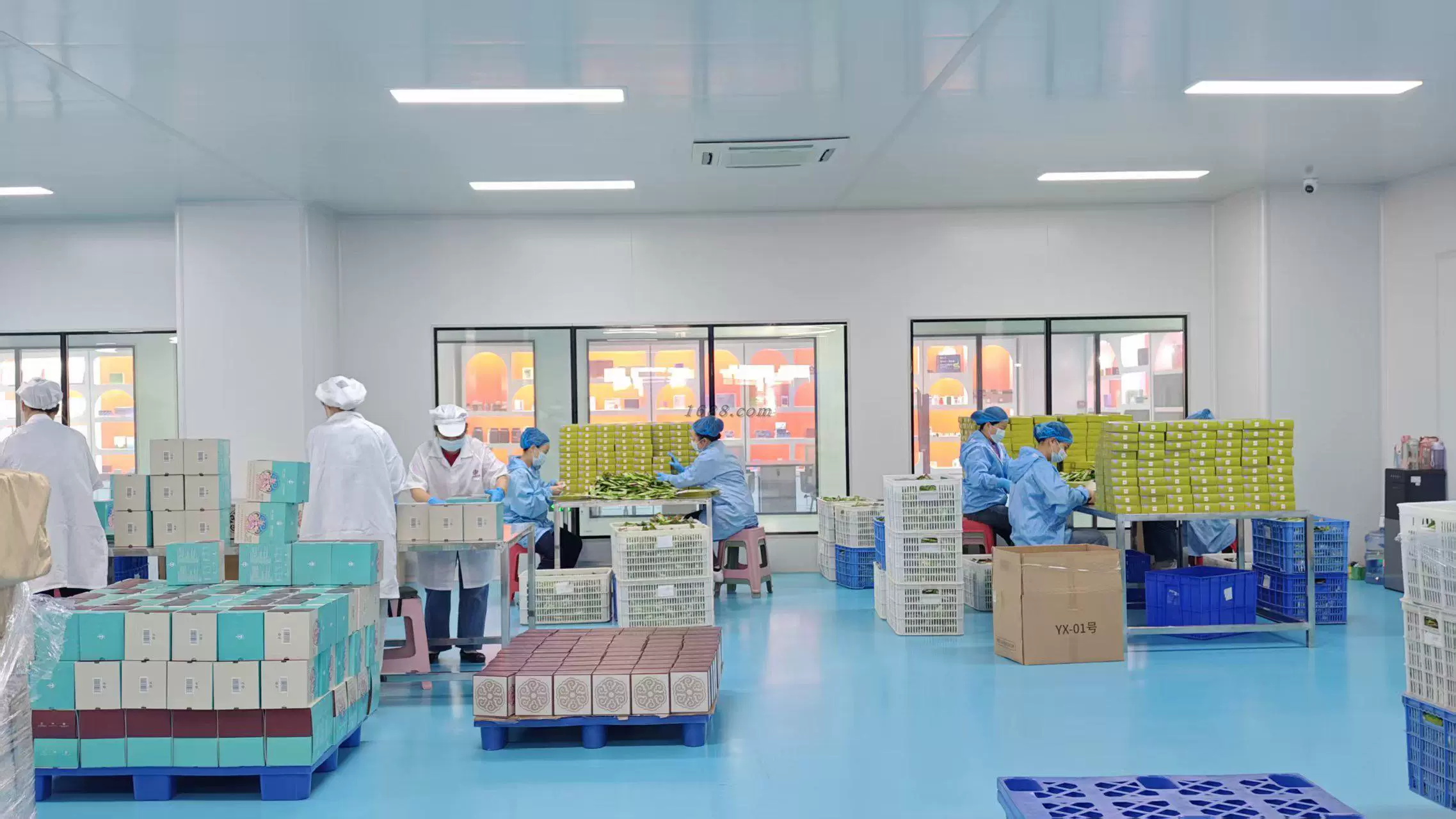
Flower and herb material with high moisture moulds easily; intake moisture should stay under 12 percent, storage humidity under 60 percent RH. Foreign matter (stems, string, insects, metal) is caught by three stages - air separation, colour sorting, manual picking - with the packing-room air quality as the final gate. Critically, mould usually starts in raw-material storage, not processing, so incoming moisture testing matters more than finished-goods testing.
3. Dark, cloudy liquor: formula and process together
Darkening usually has two sources: oxidisable compounds (polyphenols) browning during processing or brewing, and too much fines in the blend throwing suspended solids into the cup. The first is eased by a small colour-protecting ingredient and controlled roast temperature; the second by screening to control powder rate and optimising grind size. At sampling, brew hot and cold side by side and write the liquor standard into the acceptance sample.
4. Low extraction yield: grind size versus steeping balance
"Flavour out" depends on active extraction. Too coarse extracts weakly, too fine clouds the cup, so the grind needs a balance point. The plant runs particle-size distribution trials by category and hands the brand the steeping temperature and time that go with it. For triangular bags, bag breathability and fill weight also affect extraction. When yield is low, adjust grind before blindly adding material, or cost and flavour both drift.
5. Batch retention and sensory scoring
Herbal tea is sensory-led and instruments cannot fully replace it. Retain a sample per batch, hold it at 25 degrees for an accelerated check, and have fixed panelists score colour, aroma, liquor and taste on four scales, with a sealed first-article limit sample as the production benchmark. Agreeing "what counts as a defect" at sampling avoids subjective arguments later about how dark or how strong is acceptable.
Related Products
Grape Oolong Fruit Tea Blend | Pyramid Tea Bags Herbal Wellness Tea Custom OEM | Corn Silk Herbal Tea | Wellness Herbal Tea Private Label OEM Manufacturer
About Guangzhou Mesen Health Biotechnology Co., Ltd
Guangzhou Mesen Health Biotechnology Co., Ltd is located in the Huashan Science and Technology Park, Huadu District, Guangzhou. The company has focused on OEM and ODM services for the big health industry for nearly 20 years, operating dedicated research, production, sales and management centres, and maintaining long-term strategic partnerships with well-known Chinese medicine colleges and research institutions. Capabilities span pressed candy, gummies, capsules, solid beverages, herbal teas, plant beverages, protein powders, dietary supplements and enzyme jelly - from formulation development through contract manufacturing. For details on minimum order quantities, sampling lead times and quotations, see our manufacturing advantages and product range, or contact us for a tailored proposal.
Further Reading