Raw Material Acceptance Criteria for Herbal Tea OEM: Moisture, Pesticides and Heavy Metals
Brew two goji and jujube blends side by side and one may come out clear and full-bodied while the other tastes thin and slightly sour, with dust settled at the bottom of the bag - at two or three times the price difference. Most of that gap sits in the raw material, not the process. Herbal tea is mostly made from whole agricultural inputs - fruits, roots, flowers, leaves - where grade, origin, harvest year, pesticide load and heavy metal content all vary naturally. Without an executable intake specification, finished quality drifts from batch to batch. This article sets out the limits and practices that make herbal tea intake control work.

1. Why herbal tea depends on intake control more than other formats
Solid beverages and pressed candy are typically built from extracts and refined ingredients with reasonably standardised specifications. Herbal tea uses primary agricultural products - whole fruit, sliced root, flower buds, leaves - where appearance and internal quality swing widely with origin, harvest timing and drying method. Two lots of the same botanical from different growing regions can differ by a factor of two in active content.
More importantly, herbal tea is rarely extracted or refined. Material goes into the bag essentially as it arrived, so any defect travels straight through to the consumer. That makes intake inspection the only real control point: once a lot is released, there is very little downstream that can fix it.
2. Sensory and physicochemical checks: the first screen
Sensory assessment covers colour, aroma, form, foreign matter and fines. Good goji is dark red, plump, free-flowing, without mould or insect damage; poor material runs black, clumps together and smells sour. These judgements are experience-led, which is why disciplined plants keep retained reference samples from approved lots and compare every delivery against them.
Moisture is the fundamental physicochemical limit, typically held at or below 10-13%. Above that, mould and insect risk climb steeply, particularly through humid southern summers. Ash content indicates soil and sand contamination, and water-soluble extract indicates how much soluble material the cup will actually deliver - which is what the consumer experiences as body and how many infusions the bag survives. All three are cheap and fast, which makes them suitable as per-lot tests.
3. Safety limits: pesticides, heavy metals and sulphur dioxide
Safety limits are non-negotiable. Pesticide residues are checked against the national maximum residue limits for the relevant food category. Risk profiles differ by plant part: leaves, which are sprayed directly, carry the higher residue risk, while roots tend to accumulate heavy metals from soil.
Heavy metals are assessed on lead, cadmium, total arsenic and mercury against statutory limits. One point worth noting is that soil background levels vary by region - the same species sourced from different provinces will show systematic differences - so origin needs to be fixed as a variable when qualifying a supplier rather than left open.
Sulphur dioxide is a recurring problem in this category. Some growing areas sulphur-fumigate goji, lily bulb and angelica root to brighten the colour. Beyond demanding a certificate of analysis, sensory cues help: sulphured material tends to look unnaturally bright and carries a sharp acidic note. Sulphur dioxide should be a mandatory test in herbal tea OEM intake, not an occasional one.
4. Microbiology: the weak point most plants miss
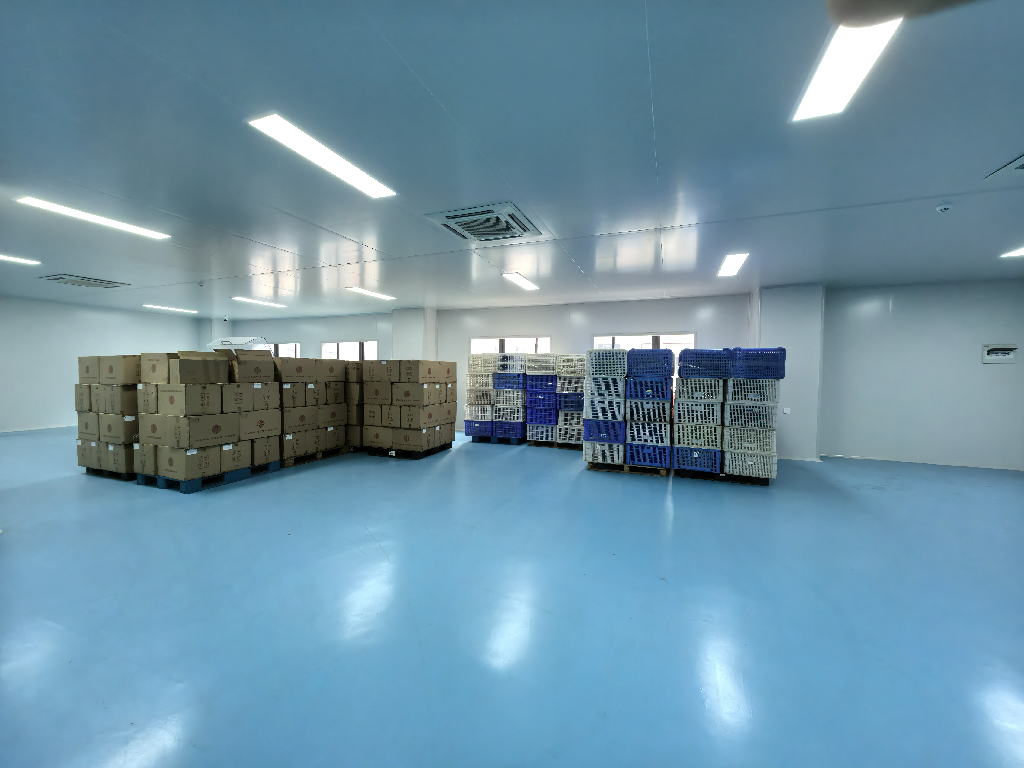
Agricultural raw materials carry a naturally high microbial load, flowers and leaves especially. Total plate count, coliforms, mould and pathogens such as Salmonella and Staphylococcus aureus all need defined limits. A great many herbal tea products fail microbiology at release for one simple reason: if there is no irradiation or steam treatment downstream, the count on the raw material is very nearly the count in the finished pack.
There are two routes. Control at source, by qualifying suppliers with low counts and requiring washing, drying or sterilisation before shipment. Or control in process, by treating on intake - short steam exposure or irradiation, applied within regulatory requirements and declared on the label where required. The two carry very different cost structures, and the decision belongs at formulation stage rather than after the first failed batch.
5. Sampling rules and supplier qualification
Full-panel testing on every lot is unaffordable, so most plants work on a risk-tiered plan. Sensory, moisture and foreign matter are tested per lot. Physicochemical and safety items are tiered by supplier and lot risk: full panel on a new supplier's first delivery, periodic or per-lot testing for established ones, with at least one third-party full-panel test per year.
Supplier management comes down to three practices. Documentation - business licence, production or distribution licence, certificates of analysis, origin certificates. Site assessment - hygiene at the growing or primary processing site, drying method, storage conditions. And performance records - every intake result filed and used to allocate future order volume. Those three do more for long-term consistency than any single test report.
6. Put the specification into the purchase contract
The common failure is that the specification lives inside the factory and never reaches the purchasing side. Material arrives out of limit and the supplier shrugs: agricultural products vary, that is how they are. The workable fix is to attach the limits directly to the purchase contract - maximum moisture, maximum foreign matter, the pesticide and heavy metal standards being applied, whether sulphur dioxide must be absent or merely limited, microbial limits, and who bears the cost when a lot is rejected.
In herbal tea programmes, Guangzhou Mesen Health Biotechnology issues a full intake specification covering sensory, physicochemical, safety and microbiological criteria, and seals reference samples jointly with the supplier at first delivery. That turns "what counts as acceptable material" into something agreed in advance rather than argued about afterwards.
Related Products
Grape Oolong Fruit Tea Blend | Pyramid Tea Bags Herbal Wellness Tea Custom OEM | Corn Silk Herbal Tea | Wellness Herbal Tea Private Label OEM Manufacturer
About Guangzhou Mesen Health Biotechnology Co., Ltd
Guangzhou Mesen Health Biotechnology Co., Ltd is located in the Huashan Science and Technology Park, Huadu District, Guangzhou. The company has focused on OEM and ODM services for the big health industry for nearly 20 years, operating dedicated research, production, sales and management centres, and maintaining long-term strategic partnerships with well-known Chinese medicine colleges and research institutions. Capabilities span pressed candy, gummies, capsules, solid beverages, herbal teas, plant beverages, protein powders, dietary supplements and enzyme jelly - from formulation development through contract manufacturing. For details on minimum order quantities, sampling lead times and quotations, see our manufacturing advantages and product range, or contact us for a tailored proposal.
Further Reading