Troubleshooting Plant Beverage OEM Defects: Sedimentation, Browning and Swollen Bottles
Plant beverages sit at the harder end of liquid manufacturing. They are not clean, predictable systems built from purified water and standardised ingredients: the raw material brings colloids, protein, polyphenols, fibre and a natural microbial load, all of which react to heat. The difficulty is timing. These defects rarely show at release; they appear in the second or third month on shelf. This article works backwards from sedimentation, browning, swelling and flavour loss to the process steps responsible.
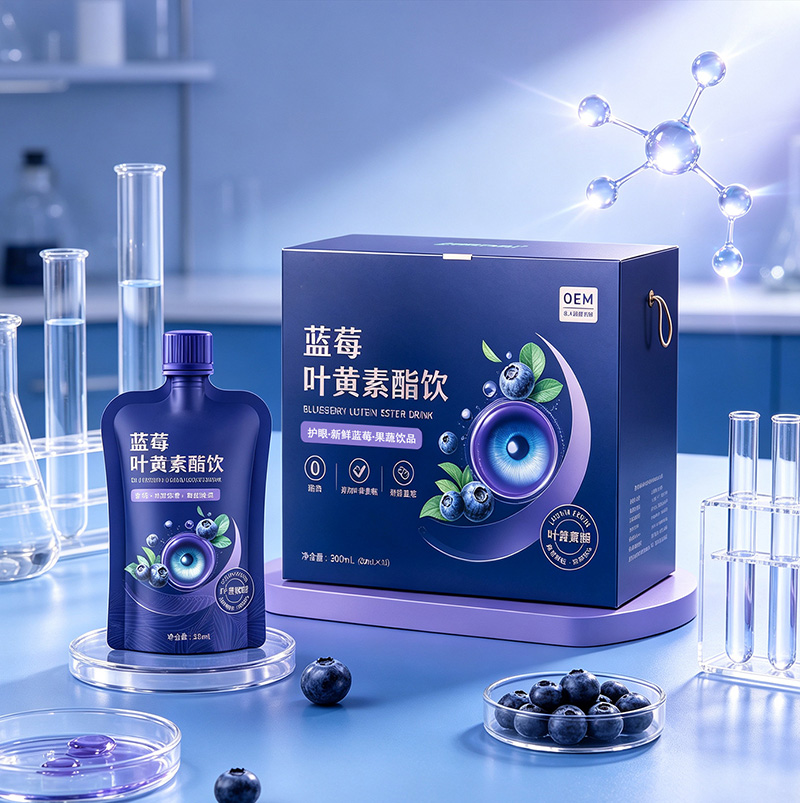
1. Sedimentation and separation: a colloid losing stability
Sediment in plant beverages has three main origins. The first is insoluble raw material particles - fine pulp, fibre fragments, starch granules. Filtration and homogenisation address this: screening at 100-200 mesh followed by high-pressure homogenisation in the 20-40 MPa range is the usual combination.
The second is colloidal settling. Purees carry substantial pectin, protein and polysaccharide. Those colloids hold stable within a workable pH and ionic strength window, but once pH approaches the protein isoelectric point, or calcium and magnesium levels rise, they flocculate and drop out. The countermeasures are to hold pH away from the isoelectric point, control water hardness, and where necessary add stabilisers such as pectin, carboxymethyl cellulose or xanthan.
The third is starch retrogradation. Beverages made from cereal or root crops gelatinise their starch during sterilisation, then slowly reorganise into ordered structures during cooled storage and precipitate. That needs either an amylase treatment step in the process or a reduction in the proportion of starchy raw material.
2. Browning: two distinct pathways
Enzymatic browning is catalysed by polyphenol oxidase and begins the moment the raw material is broken open and exposed to air - apple, pear and yam are classic cases. The response is immediate colour protection after crushing: blanching to inactivate the enzyme, lowering pH with vitamin C or citric acid, and excluding oxygen.
Non-enzymatic browning, the Maillard reaction, proceeds slowly through heating and storage, and interacts with packaging barrier as well. Systems carrying reducing sugars and free amino groups darken faster at elevated temperature, showing as deepening colour and a flattened flavour profile. Control comes from reducing sterilisation intensity or moving to a milder process, controlling storage temperature, and choosing better barrier packaging to limit the oxidative contribution.
3. Swollen bottles: the signal nobody wants
Swelling is among the most serious defects in this category. Usually it is gas from microbial growth, which means sterilisation was incomplete or the closure allowed recontamination. It can also be chemical: acidic product reacting with a metal can interior generates hydrogen, and carbonates in the formulation release carbon dioxide under acid conditions.
Telling the two apart means opening bottles and testing. Microbial swelling comes with sour off-odours, a shifted pH and organisms visible under the microscope. Chemical swelling leaves the odour largely unchanged and the pH stable, and points the investigation toward material compatibility. Either way, the batch demands a full trace-back through sterilisation records, sealing parameters and retained sample results.
4. Flavour degradation: what heat and oxygen cost you
Consumers describe flavour degradation in plant beverages as a cooked note, or simply as tasting weaker than it did. The cooked note comes from excessive thermal treatment - long holds at high temperature strip volatile aroma and generate cooked flavours. The answer is high-temperature short-time or UHT processing, trading temperature against time, with rapid cooling immediately afterwards.
The flat note usually comes from oxidation. Headspace oxygen, packaging oxygen transmission and light exposure all accelerate it, which is why high-value puree products in plant beverage OEM programmes commonly specify light-protective bottles with nitrogen dosing.
5. Matching sterilisation to pH and packaging
Sterilisation parameters cannot be set in isolation. pH and pack format have to be considered at the same time. Acidic products below pH 4.6 can be pasteurised, typically at 85-95C, where the relevant hazards are moulds and yeasts. Near-neutral products above pH 4.6 - some cereal and plant protein drinks - may require a more severe process, because the risk from heat-resistant organisms such as Clostridium botulinum rises with pH.
Packaging constrains the choice as well. Hot fill relies on the product's own temperature to sterilise the bottle and closure, which sets a heat-resistance requirement on the material. Aseptic cold fill sterilises product and packaging separately, costing far more in equipment while preserving considerably more flavour. The decision rests on product positioning, budget and the shelf-life target.
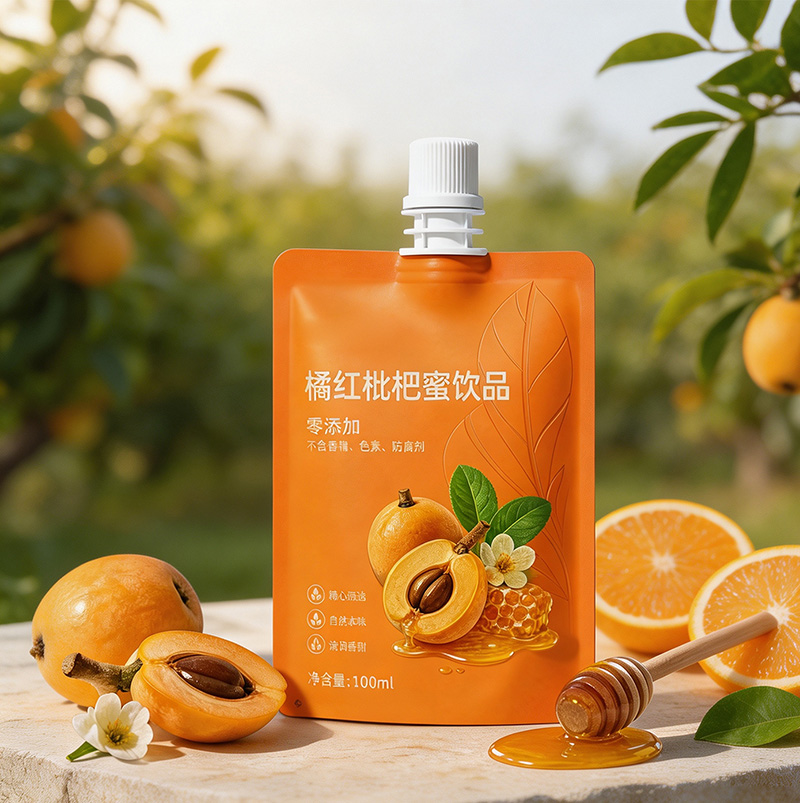
6. Move defect management into the trial stage
Almost every plant beverage problem can be surfaced during trials. The practical method is this: once the pilot batch is filled, run the routine release tests but start a three-month accelerated and ambient retain programme alongside them, recording sediment volume, colour, pH and flavour weekly. The sample count does not need to be large; the observation record needs to be continuous.
In plant beverage projects, Guangzhou Mesen Health Biotechnology validates three variables together at trial stage - homogenisation parameters, the sterilisation curve and the packaging format - rather than simply posting out a single bottle. Liquid defects live on the time axis, and the only way to be confident about commercial production is to let samples spend enough of that time on a shelf first.
Related Products
Milk Thistle, Kudzu & Turmeric Beverage with Sea Buckthorn Puree & Honey | Herbal Oral Liquid OEM | Liquid Fruit & Vegetable Salad Fiber Drink | Dietary Fiber Meal Replacement Vegetable Juice Beverage OEM
About Guangzhou Mesen Health Biotechnology Co., Ltd
Guangzhou Mesen Health Biotechnology Co., Ltd is located in the Huashan Science and Technology Park, Huadu District, Guangzhou. The company has focused on OEM and ODM services for the big health industry for nearly 20 years, operating dedicated research, production, sales and management centres, and maintaining long-term strategic partnerships with well-known Chinese medicine colleges and research institutions. Capabilities span pressed candy, gummies, capsules, solid beverages, herbal teas, plant beverages, protein powders, dietary supplements and enzyme jelly - from formulation development through contract manufacturing. For details on minimum order quantities, sampling lead times and quotations, see our manufacturing advantages and product range, or contact us for a tailored proposal.
Further Reading